



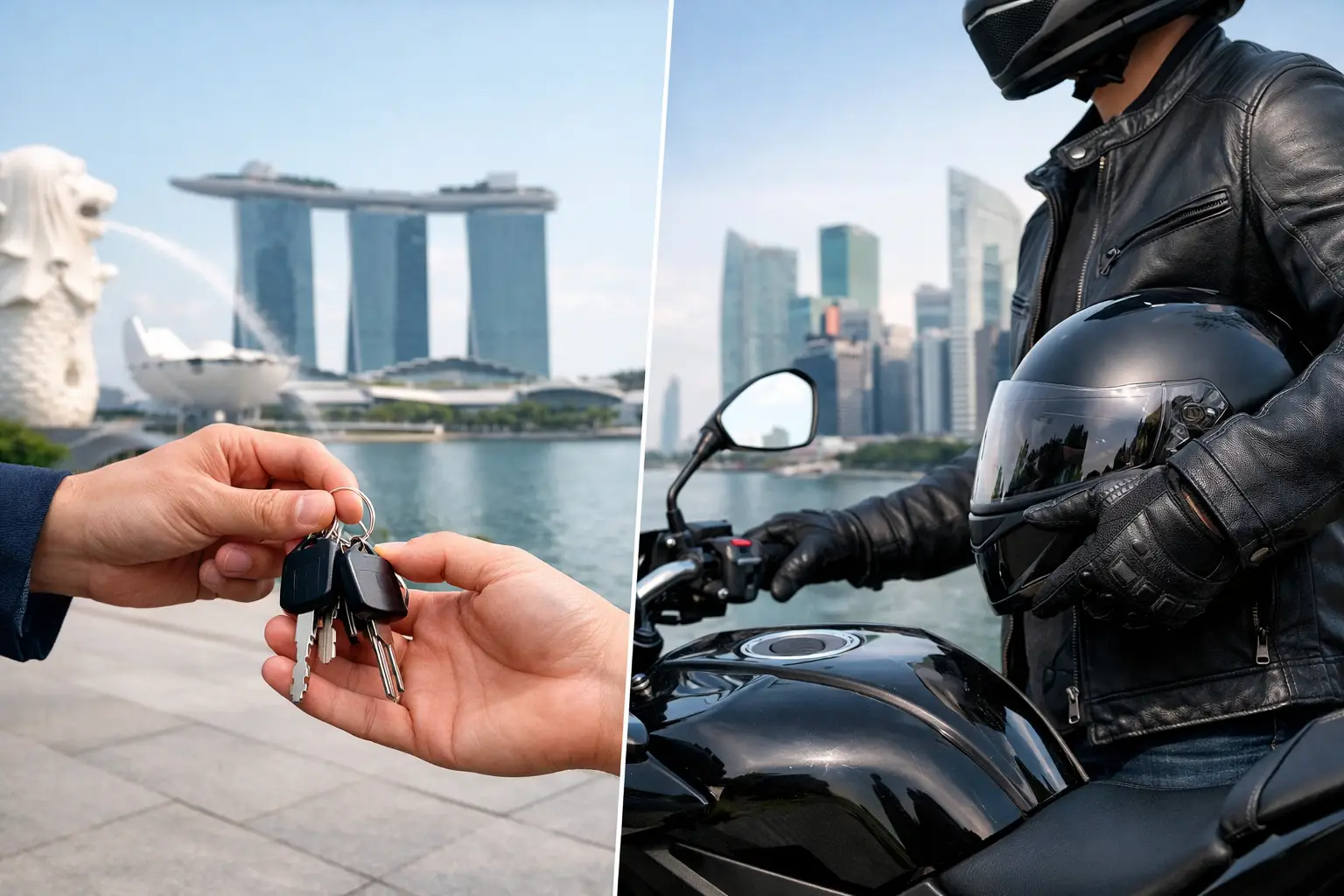
Leasing vs Owning a Motorcycle in Singapore
A motorcycle can make a Singapore commute faster, more affordable, and far less frustrating than waiting for a packed train or paying for ride-hailing every day. But the bike you ride is only part of the decision. Leasing vs owning a motorcycle comes down to how long you need it, how much cash you can commit upfront, and how much responsibility you want after you collect the keys.
For a rider who needs transport now, leasing can keep the process simple. For someone ready to ride the same bike for years, ownership may offer more control. Neither choice is automatically cheaper. The right answer depends on your riding plans, budget, license class, and comfort level with maintenance and resale.
Leasing vs Owning a Motorcycle: The Real Difference
When you own a motorcycle, you buy it outright or finance it. The motorcycle is yours to use, modify, sell, or keep for as long as it remains roadworthy and its COE allows. You also take on the costs and admin that come with ownership, including insurance, servicing, road tax, repairs, parking, and eventual resale or disposal.
Leasing is typically a fixed rental arrangement for an agreed period, from a short-term booking to an extended rental. You pay for access to a bike rather than building ownership in it. At the end of the term, you return it, extend the arrangement if available, or switch to another motorcycle.
That difference matters most when your needs can change quickly. A P-plate rider may want a manageable Class 2B bike for daily practice and commuting. A rider who has just upgraded may want to test whether a Class 2A or Class 2 motorcycle actually suits their route before committing to a purchase. Leasing gives more room to adjust without having to sell a bike first.
Still, do not assume every lease works the same way. Check the rental period, deposit, mileage or usage conditions where applicable, insurance excess, return requirements, and what happens if the bike is damaged or returned early. Clear terms make a flexible option genuinely convenient.
Upfront Cost: Where Most Riders Feel the Difference
Buying a motorcycle requires a larger initial outlay. Depending on the bike, you may need to cover the down payment or full price, insurance, transfer fees, road tax, equipment, and other startup costs. Financing can lower the first payment, but it also adds interest and creates a monthly commitment.
Leasing usually needs less cash upfront. You pay the rental rate and any required deposit, then get on the road without tying up a large amount of savings in one asset. This can be useful if you are starting a new job, managing school expenses, saving for other goals, or simply do not want your emergency fund sitting in a motorcycle.
The daily or monthly rate should not be judged in isolation. A lease that includes a maintained bike and support can be easier to budget for than owning an older motorcycle that needs an unexpected repair. On the other hand, if you ride consistently for several years and keep the bike in good condition, ownership can make better financial sense over time.
A practical question is this: would a major repair bill or a sudden drop in resale value disrupt your finances? If the answer is yes, paying for a more predictable leasing arrangement may be worth it.
Maintenance, Repairs, and Breakdowns
Motorcycle ownership gives you freedom, but it also makes you the person responsible when something goes wrong. Tires wear out. Batteries fail. Chain and sprocket maintenance cannot be ignored. Regular servicing protects your bike, your safety, and its resale value, but it costs time and money.
With a leased motorcycle, maintenance is commonly handled by the rental provider as part of keeping the fleet road-ready. That means less time finding a workshop, comparing repair quotes, and deciding whether a repair is urgent or can wait until next month. For newer riders, this can remove a lot of stress.
Breakdowns are where dependable support becomes more than a nice extra. If your bike stops on the way to work or during a late-night ride, you need a clear process for roadside help and towing. Before leasing, ask exactly what assistance is available, how quickly the provider responds, and whether certain incidents carry additional charges.
Vroom Leasing supports riders with maintained motorcycles and 24/7 roadside assistance, which can be especially valuable when your motorcycle is your main way to get to work, class, or home.
Flexibility Matters More Than You Think
Singapore riders often face changing circumstances. You might move closer to work, change shifts, travel overseas, upgrade your license, or decide that riding daily is not for you after all. A leased bike can suit these periods because you are not locked into selling an asset at the right price and time.
Leasing also lets you choose a motorcycle based on your current license class. A Class 2B rider can start with a practical commuter bike, while a more experienced rider can select a larger machine for a different riding experience. When your requirements change, your next rental can change too.
Ownership is less flexible in the short term, but it can be more personal. You can set up the bike the way you like, choose your preferred accessories within regulations, and build familiarity with one machine over years of riding. For riders who know exactly what they want, that consistency has real value.
The trade-off is resale. Selling a motorcycle takes effort, and market value can move based on demand, condition, remaining COE, and buyer confidence. If you need to exit ownership quickly, you may have to accept a lower selling price.
COE and Depreciation Change the Math
In Singapore, a motorcycle is not just a machine. Its value is closely tied to its Certificate of Entitlement and remaining usable life. As COE conditions and market prices shift, the cost of owning can be harder to predict than the purchase price first suggests.
An owner bears that depreciation risk. If the bike loses value faster than expected or the market changes before you sell, the financial impact is yours. This does not mean owning is a bad choice. It means you should calculate the likely cost across the period you intend to keep it, not only the monthly installment.
Leasing shifts much of that resale and depreciation exposure to the provider. You pay for the use of the motorcycle during your agreed period, then return it. For riders who prefer a known monthly transport cost, that can make planning easier.
When Leasing Is Usually the Better Fit
Leasing is often the stronger choice when you need a motorcycle quickly but do not want a large upfront commitment. It can suit P-plate riders who are building confidence, commuters on a temporary work contract, riders waiting to upgrade their license, or anyone whose finances and transport needs may change within the next year or two.
It also makes sense if convenience is your priority. You want a bike that is ready to ride, a straightforward collection process, and support when something unexpected happens. In this situation, paying for access and operational peace of mind can be more useful than taking on ownership duties.
When Owning Is Usually the Better Fit
Ownership can work well if you have stable finances, expect to ride for years, and are comfortable budgeting for servicing, repairs, insurance, and resale. It is often more appealing for riders who have found the exact model they want and value customizing or maintaining it themselves.
It may also be the better long-term value if you keep the bike long enough, avoid expensive surprises, and sell it at a reasonable time. But ownership only delivers that advantage when you account for the full cost, not just the loan payment or purchase price.
Before deciding, write down your expected riding period, available cash, monthly budget, and backup plan if the bike needs repairs. Choose the option that lets you ride confidently without turning your transport into your biggest financial headache.