



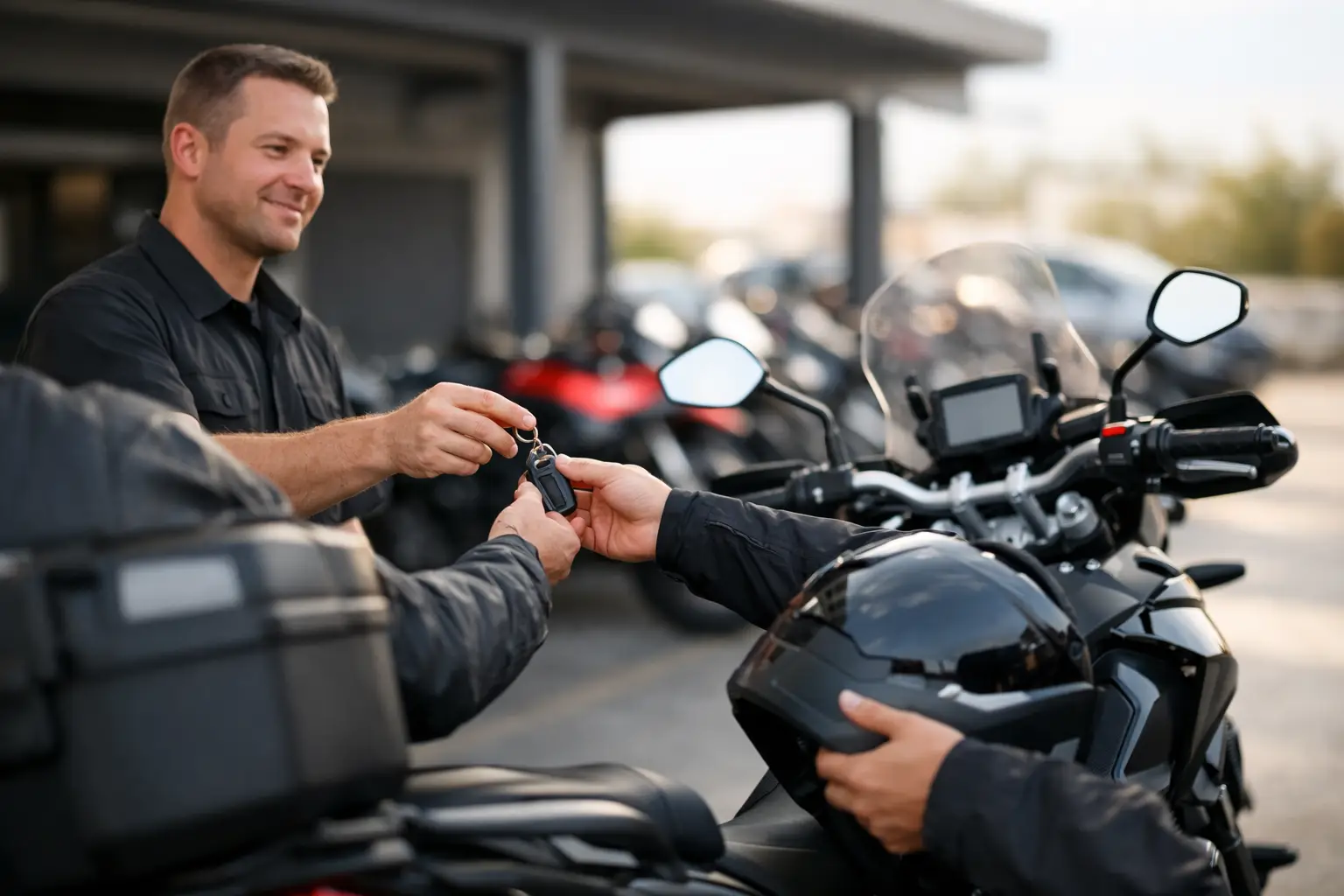
How to Return Rental Motorcycles Without Hassle
The last 10 minutes of a rental matter just as much as the ride. Knowing how to return rental motorcycles properly helps you avoid rushed handovers, disputed damage, late charges, and unnecessary back-and-forth. Whether you rented a Class 2B commuter bike for work or a larger machine for the weekend, a clean, documented return protects both you and the rental provider.
For riders in Singapore, the best approach is simple: plan ahead, return the bike in reasonable condition, and make sure the handover is recorded clearly. Do not wait until your rental end time to think about fuel, parking, or what to do if you spot a new scratch.
Check Your Rental Return Terms First
Every rental company has its own return location, time window, fuel expectation, and procedure for after-hours returns. Read the agreement before your final day, not while you are stuck in traffic on the way back. Confirm the scheduled return time, the approved return point, and whether you need a staff member present for the handover.
A few details can make a real difference. Some rentals are collected and returned at a designated location, while others may include delivery or collection arrangements. If you are returning after business hours, there may be specific instructions for where to park, where to leave the key, and how to submit photos. Never assume that leaving a motorcycle somewhere familiar counts as a completed return.
If you need more time, contact the rental team as early as possible. Extensions depend on bike availability, especially for popular models and weekend bookings. A quick message before the return deadline gives the provider a chance to help. Calling after the rental has already expired may lead to extra charges and fewer options.
Prepare the Motorcycle Before You Ride Back
You do not need to detail the motorcycle like it is being sold, but you should return it in a reasonable, usable condition. Remove your personal items from the under-seat compartment, top box, phone holder, and any storage pouch. Riders often forget access cards, charging cables, gloves, parking coupons, or work items tucked under the seat.
Check that all supplied items are present. This may include the key, spare key if issued, helmet, rain gear, documents, lock, or accessories. Missing equipment can delay the return inspection and may result in a replacement charge.
Fuel is another common issue. Return the bike at the fuel level stated in your rental agreement. If the bike was issued with a full tank, filling it before return is usually the safest option. Keep the fuel receipt if possible, particularly if you refueled shortly before the handover. It gives you a clear record if there is any question about timing or fuel level.
Before leaving your final stop, take a moment to look at the motorcycle. Check for new marks on the fairings, mirrors, levers, exhaust, rims, and underside. Also look at the tires for punctures or obvious damage. This is not about finding fault with every small sign of normal use. It is about spotting anything that should be reported honestly rather than discovered later without context.
Take Photos Before Returning the Rental Motorcycle
A quick photo record is one of the smartest habits for any rental rider. Take clear, time-stamped photos or video in good lighting before you hand the bike over. Capture the motorcycle from both sides, the front and rear, the odometer, fuel gauge, tires, and any existing or newly noticed marks.
If there was an incident during the rental period, do not try to hide it. Contact the rental provider and explain what happened. A minor tip-over, a cracked signal lens, or a puncture is easier to handle when reported promptly with photos and the relevant details. The final cost depends on the rental agreement, insurance or excess terms, the damage involved, and whether repairs are needed. Clear communication usually prevents a small issue from becoming a stressful dispute.
Photos are useful even when nothing went wrong. They confirm the mileage, condition, and fuel level at the end of your booking. For a rider on a tight schedule, that proof can be especially helpful if the inspection happens later or the return is completed through an after-hours procedure.
Arrive Early Enough for a Proper Handover
Singapore traffic, rain, roadworks, and last-minute fuel stops can turn a short trip into a late return. Aim to arrive 15 to 30 minutes before your scheduled time if an in-person inspection is required. That buffer lets you park safely, remove your belongings, take photos, and go through the bike with the staff member without rushing.
When you arrive, park only where instructed. Do not leave the motorcycle in a loading bay, unauthorized lot, or exposed area where it could be clamped, towed, or damaged. Make sure the steering lock is engaged if required and that you have followed the provider’s parking instructions.
During the handover, point out anything relevant. If the bike had a mechanical concern, unusual sound, warning light, puncture repair, or incident during your rental, say so directly. Rental motorcycles are maintained between customers, and useful rider feedback helps the team inspect the right areas before the next booking.
Ask for confirmation that the motorcycle has been returned. This could be a message, receipt, inspection acknowledgment, or confirmation in the booking system. If a deposit was collected, check how and when it will be released. Deposits may be subject to a final condition review, outstanding fees, traffic violations, or other terms stated in the agreement, so avoid assuming every refund is immediate.
A Simple Motorcycle Return Checklist
Before you walk away, make sure these basics are covered:
- The motorcycle is at the correct return location and parked as instructed.
- You have removed all personal belongings and returned every issued item.
- The fuel level meets the agreement requirement.
- You have taken photos of the bike, odometer, fuel gauge, and visible condition.
- You have reported any damage, accident, puncture, or mechanical issue.
- You have received return confirmation or completed the approved after-hours steps.
This checklist takes only a few minutes, but it prevents the most common rental return problems.
What Can Lead to Extra Charges?
Extra charges are not always about damage. They can result from returning late, returning to the wrong location, missing keys or accessories, low fuel, parking penalties, summonses, or cleaning that goes beyond normal use. A bike covered in ordinary road dust after a daily commute is different from a motorcycle returned with spilled food, excessive mud, or personal belongings left inside.
Damage assessments also need context. Existing scratches and wear should have been noted at collection, which is why it is equally wise to inspect and photograph the motorcycle before the first ride. If you notice a mark that was not documented at pickup, tell the team immediately rather than waiting until return day.
Traffic or parking fines may arrive after the rental ends. The renter is generally responsible for violations incurred during the booking period, so keep your own record of where and when you parked. If you used electronic parking or road-pricing services, make sure any outstanding payment is handled according to the rental instructions.
If You Cannot Return the Bike as Planned
Breakdowns, flat tires, accidents, illness, and severe weather can disrupt a return. Do not abandon the motorcycle or attempt a risky repair on the roadside. Move to a safe location if possible, secure the bike, and contact the rental provider right away.
A dependable rental company should tell you what to do next, whether that means roadside assistance, towing, repair support, or a revised return arrangement. Vroom Leasing supports riders with 24/7 roadside assistance, which can make a major difference when a problem happens outside normal hours. The key is early contact. The sooner the team knows your location and situation, the faster they can guide you.
For an accident, prioritize safety first. Seek medical help if needed, follow local reporting requirements, take photos, and exchange details where applicable. Then notify the rental provider as soon as you reasonably can. Do not continue riding a bike that may be unsafe, even if the damage appears minor.
Return It Like You Would Want to Receive It
A hassle-free return is not complicated. It is a fair handover: the bike is where it should be, in the condition you can account for, with the right fuel level and all issued items returned. A few photos and an early message if plans change are usually all it takes to keep the process smooth.
Treat the final handover as part of the ride, not an afterthought. It leaves you free to book your next motorcycle when you need it, with no loose ends following you home.
Rental Damage Dispute Example: What Happens Next - Vroom Leasing says:
September 7, 2026[…] fair process starts by comparing the pickup condition report, handover photos, return photos, and the rider’s incident report. Time stamps are useful, but the images themselves matter […]
How to Secure Motorcycle Parking in Singapore - Vroom Leasing says:
September 13, 2026[…] motorcycles deserve the same care as your own bike. In fact, returning a bike in the same condition you received it is one of the simplest ways to avoid stress and unexpected costs. Before leaving a […]