



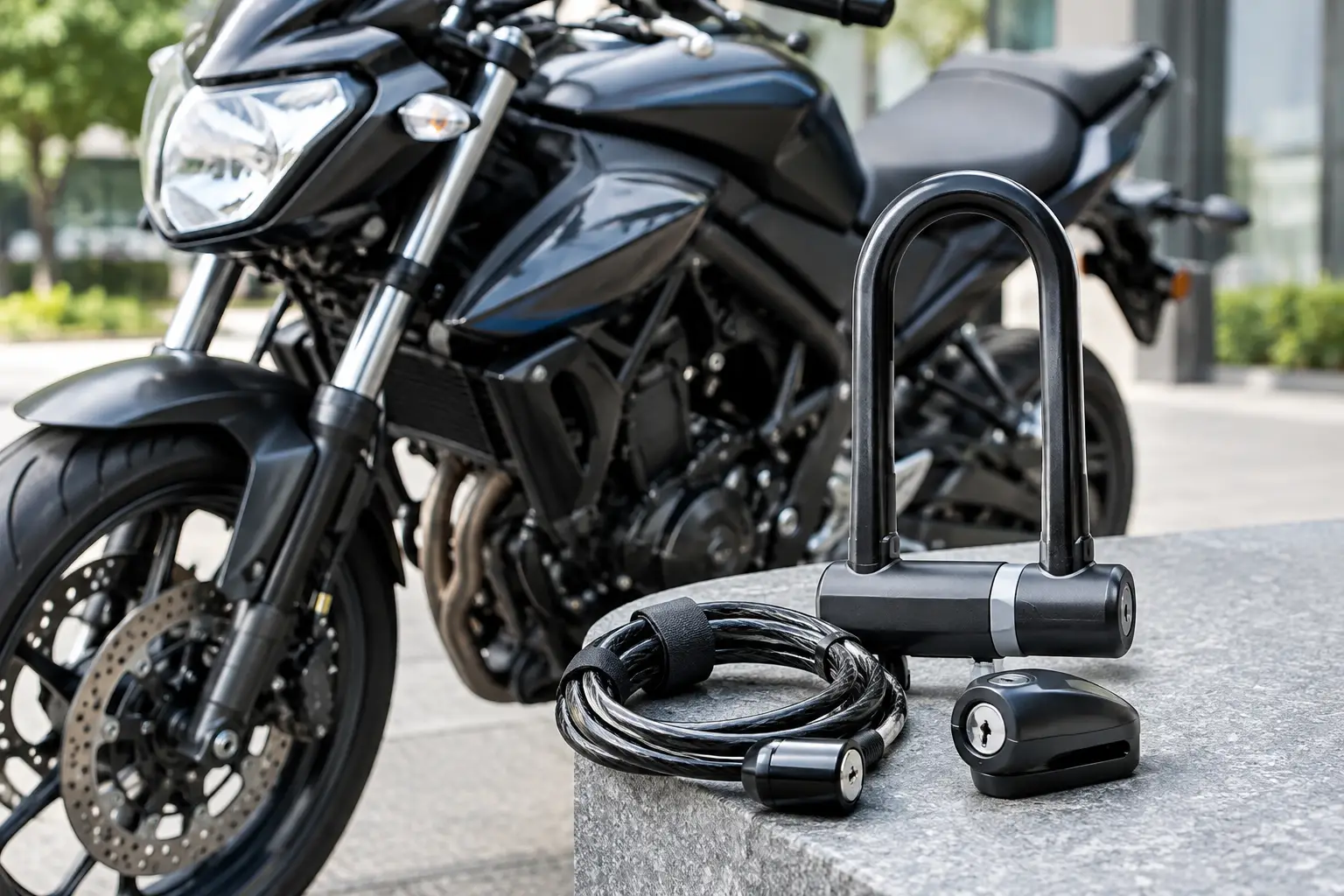
Motorcycle Security Devices That Stop Easy Theft
A stolen motorcycle is not only expensive. It can mean missed work, disrupted plans, insurance stress, and the headache of finding another ride quickly. The right motorcycle security devices make your bike slower, louder, and far less attractive to steal. For commuters and renters who park in public areas, that extra friction matters every day.
No single lock makes a motorcycle theft-proof. A determined thief with time, tools, and privacy can defeat many products. The practical goal is to make your bike a difficult target compared with the one parked beside it, while giving you a better chance of spotting trouble early.
Motorcycle Security Devices Work Best in Layers
Think of motorcycle security in layers. One device prevents easy movement. Another anchors the bike to something fixed. A third alerts you when someone interferes with it. Together, they create delays and attention, which are two things thieves want to avoid.
Your parking routine should decide the combination. A rider parking in a guarded workplace lot may need a compact disc lock and a covered parking spot. Someone leaving a bike overnight in an open residential area may need a heavy chain, an alarm, and a tracker. Buying the biggest lock is not always the answer if it stays at home because it is too heavy to carry.
Disc Locks for Fast Daily Stops
A disc lock fits through a brake disc opening and stops the wheel from rotating normally. It is compact, quick to use, and easy to store under the seat or in a small bag. For a short stop outside a coffee shop, convenience store, or office, it is one of the easiest habits to keep.
Choose a lock with a hardened locking pin and a bright reminder cable. The cable runs from the lock to your handlebar or grip, helping you remember it before riding off. Forgetting a disc lock can damage the brake disc, fork, or lock itself.
An alarmed disc lock adds a loud warning when the bike is moved or shaken. It is useful in busy parking areas where a thief would rather not draw attention. The trade-off is that sensitive alarms can be triggered by strong wind, another bike brushing past, or a careless parking neighbor. Test the sensitivity before relying on it overnight.
Chains and Ground Anchors for Overnight Parking
A quality chain is one of the strongest visible deterrents when you can secure the motorcycle to an immovable object. Run it through the frame or rear wheel where possible, then connect it to a purpose-built ground anchor, a secure metal rail, or another genuinely fixed point.
Avoid looping a chain only through a wheel if the wheel can be removed quickly. Also avoid thin chains, cable locks, or padlocks that look substantial but can be cut with common hand tools. The chain, lock, and anchor are only as strong as the weakest part of the setup.
For home parking, keep the chain off the ground where practical. A chain resting on the floor can give an attacker a solid surface for striking or cutting. This does not make it invincible, but it removes an easy advantage. A heavy chain is less convenient for daily carrying, so many riders keep one at their regular overnight parking location and use a disc lock when out.
GPS Trackers Add Recovery Support
A GPS tracker cannot stop a theft, but it can help locate a motorcycle after it is moved. That makes it a valuable backup layer, especially for riders who park outdoors or depend on their bike for work and commuting.
Look for a tracker with reliable location updates, a mobile app, movement alerts, and an internal backup battery. Hardwired units are usually more discreet and do not need frequent charging, but installation should be done carefully so it does not affect the motorcycle’s electrical system. A battery-powered tracker may be easier to move between bikes, though it needs regular charging and can be easier to find.
Hide the tracker somewhere that is not obvious, but do not place it where heat, water, or moving parts will damage it. Keep in mind that GPS signals can be weak in underground garages, shipping containers, and dense buildings. A tracker is a recovery tool, not a reason to confront anyone yourself. If your motorcycle is stolen, report it to the authorities and share the live location when requested.
Alarms, Immobilizers, and Smart Features
Factory immobilizers prevent the engine from starting without the correct key or transponder. They are helpful, but they do not prevent thieves from lifting a bike into a van or rolling it away. An aftermarket alarm can add a siren and movement detection, while some systems send phone notifications.
Smart security features are useful only when you maintain them. Check batteries, app permissions, data plans, and notification settings. A phone alert that arrives 20 minutes late is far less useful than one that comes through immediately. Before installing aftermarket electronics, confirm that the system suits your motorcycle model and does not interfere with its warranty, battery, or wiring.
Match Your Security Setup to Your Parking
The best security setup is the one you will use every time. Start by looking honestly at where your motorcycle spends most of its time.
For quick daytime stops, a disc lock with an alarm offers a strong balance of size, speed, and visibility. Park near entrances, security cameras, foot traffic, or well-lit areas when available. Avoid leaving helmets, bags, and accessories unsecured, since loose items can attract attention even if the bike itself is protected.
For work or school parking, add a chain if there is a legitimate fixed anchor. Do not chain your motorcycle to private property, fire safety equipment, or anything that blocks pedestrian access. If you use a cover, choose one without branding that advertises the motorcycle underneath. A cover adds a little time and uncertainty for a thief, but it should support your locks rather than replace them.
For overnight parking, use your strongest combination: chain and anchor, disc lock, alarm, cover, and tracker where budget allows. If you share a parking area, position the motorcycle so another vehicle cannot easily block your view of it or provide cover for tampering.
For rental motorcycles, always follow the rental provider’s security instructions. Do not install permanent alarms, trackers, or wiring modifications without approval. Use the supplied steering lock and any provided security equipment, park responsibly, and keep the key secure. A well-maintained rental bike deserves the same care you would give your own ride.
Small Habits That Make Theft Harder
Security devices work better when your routine supports them. Lock the steering every time you park, even if you are only stepping away for a minute. Take the key with you rather than leaving it in a seat compartment or nearby bag. Keep a clear photo of your motorcycle, license plate, VIN, and distinguishing features stored privately on your phone.
It also helps to vary predictable routines when possible. Parking in the exact same isolated corner at the exact same hour can make a motorcycle easier to watch. This does not mean you need to be anxious about every stop. It means making sensible choices that reduce easy opportunities.
Do not advertise valuable modifications on the bike if you can avoid it. Premium exhausts, custom parts, and accessories can make a motorcycle more appealing to thieves. Record serial numbers for removable accessories, and consider security bolts for items that are commonly taken.
Spend Smart, Not Just Big
A high price does not automatically mean a device fits your needs. Before buying, check whether the lock fits your brake disc holes, whether the chain length reaches your real anchor point, and whether you can carry or store the equipment comfortably. Read product instructions closely, especially for alarm batteries and weather exposure.
A practical starter setup is often an alarmed disc lock for daily use, plus a properly rated chain for regular overnight parking. Add a tracker when the motorcycle’s value, parking risk, and your reliance on it justify the monthly cost. This approach keeps protection affordable without relying on one device to do every job.
The habit matters as much as the hardware. Take the extra minute to lock the bike properly, park where people can see it, and use more than one layer when leaving it for long periods. That minute can be the difference between an easy target and a motorcycle that a thief decides is not worth the trouble.