



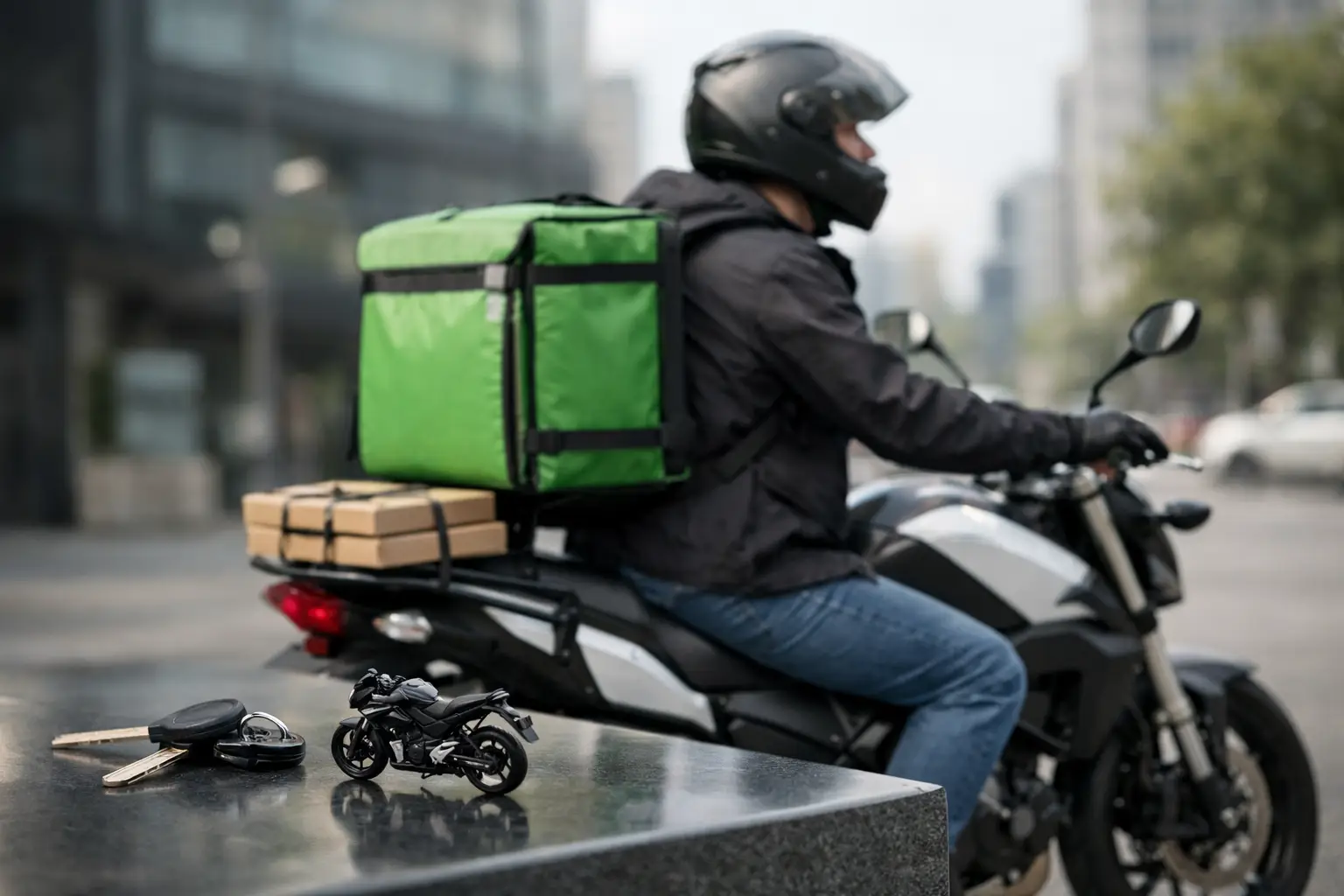
Is a Motorcycle Lease for Delivery Riders Worth It?
A delivery shift can turn bad fast when your bike is in the workshop, your insurance renewal is due, and orders are already coming in. For riders who depend on two wheels to earn, a motorcycle lease for delivery riders can be a practical way to stay on the road without taking on the full cost and long commitment of ownership.
The right arrangement is not simply about finding the lowest daily rate. Your bike needs to be reliable during peak hours, suitable for the routes you ride, and backed by support when something goes wrong. Before you commit, look at the real working cost of the motorcycle, the lease terms, and how quickly the provider can help if you are stuck.
Why delivery riders consider leasing instead of buying
Buying a motorcycle gives you long-term control, but it also puts every cost on you. The down payment, monthly financing, road tax, insurance, servicing, tires, chain maintenance, repairs, and eventual resale value all need to be covered whether you have a busy month or a slow one.
A lease or extended rental spreads access to the bike into a predictable payment. That can make sense if you are starting delivery work, returning to riding after a break, using a bike while yours is being repaired, or simply avoiding a large upfront purchase. It also gives riders more flexibility when their work situation changes.
For P-plate and Class 2B riders, leasing can be especially useful. You can build confidence on a manageable bike before deciding whether ownership is the right next step. More experienced Class 2A and Class 2 riders may prefer it when they need a temporary commuter, a replacement bike, or a machine suited to a specific period of delivery work.
There is a trade-off. Leasing usually does not build an asset that you can later sell. If you are certain you will ride the same bike for years and can comfortably absorb maintenance and depreciation, ownership may cost less over the very long term. But delivery work has changing schedules, earnings, and vehicle needs. Flexibility has real value.
What a motorcycle lease for delivery riders should include
A delivery motorcycle covers far more distance than a weekend bike. Reliability is not a bonus feature. It is part of your income. Before taking a bike, ask exactly what is included in the rate and what happens when normal wear turns into a repair.
A good arrangement should clearly explain maintenance responsibility, breakdown procedures, insurance coverage, excess amounts, security deposit rules, mileage limits if any, and the process for extending or returning the bike. Do not assume that a low advertised rate tells the whole story. Ask for the total amount payable and check whether there are charges for late return, damage, towing, or early termination.
Roadside support matters just as much as the bike itself. A flat tire, electrical issue, or mechanical failure can cost you a full evening of orders. A provider with fast response and towing support can reduce downtime when you need help most. Vroom Leasing supports riders with maintained motorcycles and 24/7 roadside assistance, which is the kind of practical backup working riders should look for.
Check the bike against your actual delivery route
The best delivery bike is not always the biggest or fastest one. In dense city traffic, a light, fuel-efficient Class 2B motorcycle can be easier to filter through congestion, park, and manage over a long shift. It may also keep fuel spending lower, which directly affects your take-home earnings.
If your route includes expressways, longer distances, or heavier loads, a Class 2A or Class 2 motorcycle may offer more power and stability. The right choice depends on your license class, comfort level, delivery platform requirements, and how many hours you plan to ride.
Sit on the bike before committing if possible. Check the riding position, seat comfort, brake feel, tire condition, storage options, and whether you can safely secure your delivery box or bag. A bike that feels fine for 20 minutes can become exhausting after five hours of stop-start traffic.
Calculate your working cost, not only the lease payment
The lease fee is only one part of delivery income. To decide whether the arrangement works, estimate your cost per shift. Include the lease payment, fuel, parking, ERP charges where applicable, mobile data, meals, delivery platform fees, and basic riding gear replacement.
Then compare that number with realistic earnings, not your best-ever weekend. Use an average week that includes quieter hours, rain, canceled orders, and time spent waiting. This gives you a more honest view of whether you can cover the bike and still make the work worthwhile.
For example, a motorcycle with a slightly higher weekly rate may be the better value if it is more fuel-efficient, better maintained, and less likely to lose you a shift. The cheapest option becomes expensive if repeated repairs, poor tires, or unreliable support keep you offline.
Also keep some money aside for items that may not be included. Depending on the agreement, this can include damage excess, consumables, parking fines, traffic violations, or replacement costs for lost keys and accessories. Clear terms protect both the rider and the rental provider.
How to choose a lease period that fits your work
Shorter terms suit riders testing delivery work, covering a temporary job, or waiting for their own motorcycle to be repaired. You pay for flexibility, but you are not locked into a long commitment if your plans change.
An extended lease can offer better value when you already have a steady delivery schedule and know you will need transport for several months. Before choosing a longer term, confirm whether you can renew, switch motorcycles, or end early if you stop delivery work. A little flexibility is worth asking for before you sign.
Be realistic about how often you will ride. Leasing a motorcycle for seven days a week may not make sense if you only deliver on two evenings. On the other hand, riders working regular lunch and dinner peaks may benefit from having dependable access to a bike every day rather than scrambling for transport.
Read the condition and return terms carefully
Take photos or a short video of the motorcycle at collection. Record existing scratches, cracked panels, tire condition, mirrors, lights, and the odometer reading. This takes only a few minutes and avoids confusion later.
Treat the motorcycle like a work tool. Keep it clean, check tire pressure, monitor engine oil where required, and report unusual sounds or warning lights early. Small issues are easier to fix before they become a roadside breakdown or a bigger repair bill.
When returning the bike, make sure you understand the fuel requirement, return time, collection location, and inspection process. A transparent provider should be able to explain these points plainly before you book.
Make the lease work for your earnings
Once you have the right bike, protect your margin. Plan routes around peak order periods, avoid unnecessary idling, and use a delivery bag that keeps food secure without affecting your balance. Ride smoothly rather than aggressively. Harsh acceleration and braking waste fuel, wear tires faster, and increase the chance of an incident that takes you off the road.
Do not ride when you are too tired to make safe decisions. Delivery earnings matter, but one accident can cost far more than a missed batch of orders. Build short breaks into long shifts, especially in rain or heavy traffic, and keep your helmet, gloves, rain gear, and phone mount in good condition.
A motorcycle lease works best when it gives you a dependable way to earn without forcing you to carry every ownership cost at once. Choose a bike that matches your license and route, get clear answers on maintenance and support, and budget from realistic weekly earnings. The goal is simple: spend less time worrying about your motorcycle and more time completing safe, profitable deliveries.