



How to Prepare a Rented Bike for a Safe Ride
A rental bike can be your quickest way to get to work, run errands, or enjoy a weekend ride, but the first few minutes matter. Knowing how to prepare a rented bike before you pull away helps you spot issues early, understand the bike’s controls, and avoid preventable trouble on the road. It is a simple habit that protects you, the motorcycle, and your rental deposit.
Prepare at the handover, not after you leave
Do not rush the collection process because you are late for work or excited to ride. Take a few minutes at the pickup point while a staff member is available. This is the best time to clarify the rental period, fuel requirement, return location, insurance excess, parking rules, and what to do if the bike breaks down.
Make sure you have the right license for the motorcycle category you booked. In Singapore, that means checking that your Class 2B, 2A, or 2 license matches the bike. P-plate riders should also confirm that the bike feels manageable before committing to a long ride. A heavier motorcycle or a higher seat may be legal for your license class, but that does not always make it the right choice for your confidence level.
Ask where the registration, insurance information, and emergency contact details are kept. You should know this before you need it. If the rental company provides roadside assistance, save the number in your phone immediately rather than searching through booking messages later.
How to prepare a rented bike with a quick walk-around
Start with a full visual inspection in good lighting. Walk around the motorcycle slowly and compare what you see with any condition report provided at collection. Look at the fairings, mirrors, levers, exhaust, seat, handlebars, rims, and luggage box if one is fitted.
Pay close attention to scratches, cracked panels, bent levers, loose mirrors, and scuffed engine covers. Small cosmetic marks are common on rental bikes, but they should be recorded before you ride. Take clear photos and a short video from several angles. Include close-ups of existing damage, the odometer, fuel gauge, and license plate.
Photos are not about assuming the worst. They simply give both you and the rental provider a clear record of the bike’s condition at handover. If you notice something that is not listed, tell the staff before leaving and get confirmation that it has been noted.
Check that the side stand and center stand, if equipped, move properly and hold the bike securely. A bike that feels unstable when parked can become a headache at a crowded coffee shop, office building, or HDB parking area.
Check the tires, brakes, and lights
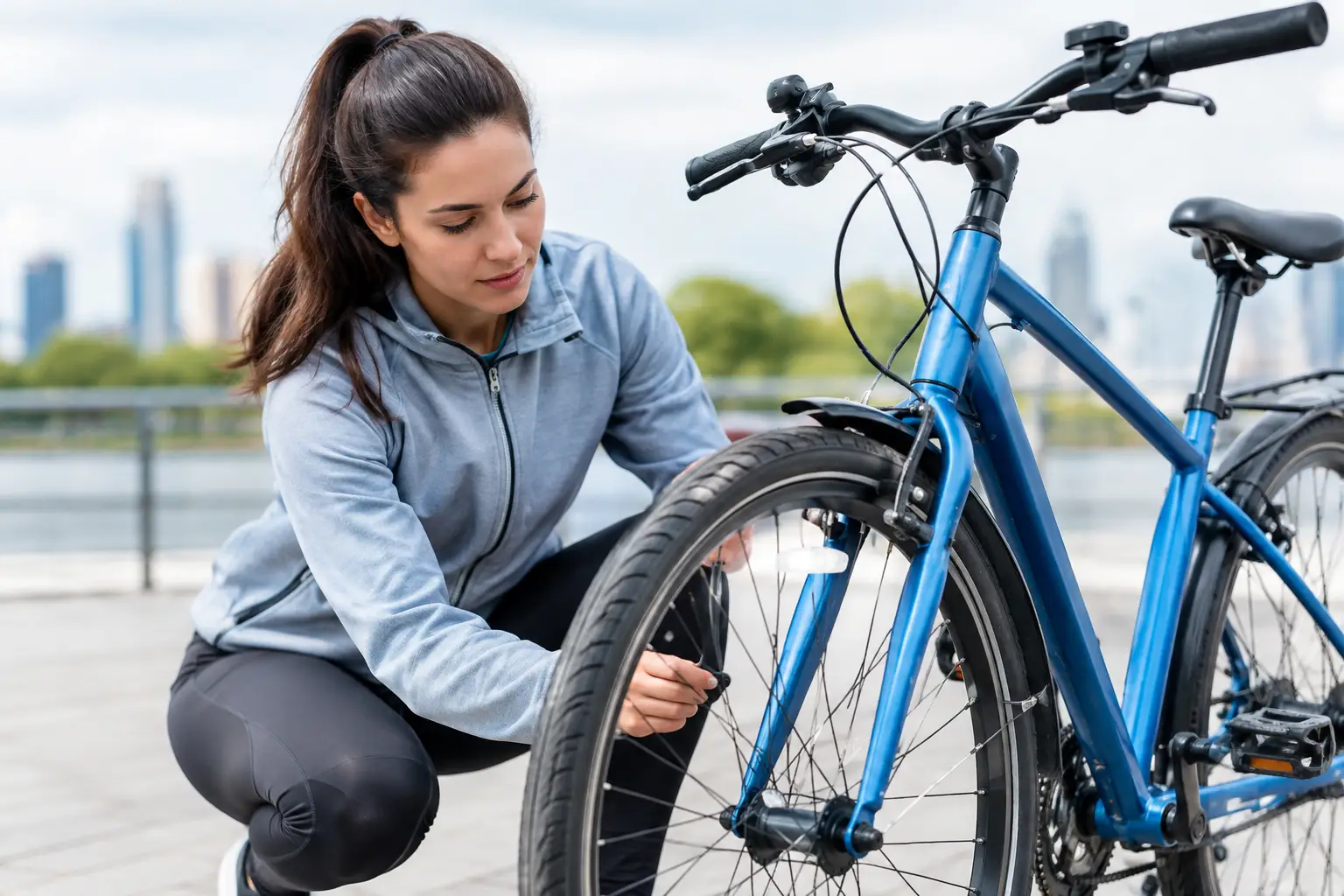
A maintained rental motorcycle should be ready to ride, but riders should still perform basic safety checks. Start with the tires. Look for obvious cuts, nails, deep cracks, or unusually worn tread. The tires should not look flat or visibly underinflated. If the bike pulls, wobbles, or feels vague once moving, stop in a safe place and contact the rental provider instead of trying to ride through it.
Next, test the front and rear brakes while the bike is stationary. The brake levers and pedals should feel firm and controlled, not soft, spongy, or unusually loose. Check that the brake lights activate when you use both the front and rear brake.
Turn on the ignition and test the headlight, taillight, turn signals, horn, and hazard lights if available. These checks take less than a minute and are especially useful before riding at night or in heavy rain. In Singapore traffic, clear signals and working brake lights are basic safety equipment, not optional extras.
Look beneath the bike for fresh fluid leaks. A small amount of water from condensation may be harmless, but oil, fuel, or brake fluid should be reported before you ride. Do not accept a bike with a fuel smell, a persistent warning light, or visible leaking just because you are in a hurry.
Get familiar with the controls and riding position
Even if you ride often, every model has its own feel. Before joining traffic, locate the ignition, kill switch, starter button, horn, turn signals, high beam switch, fuel cap release, seat latch, and hazard switch. If you are renting a scooter after usually riding a manual bike, or the other way around, take extra time to adjust.
Set both mirrors while sitting naturally on the motorcycle with your helmet on. You should see the lane behind you with only a small amount of your shoulders in view. Do not wait until you are moving to make major mirror adjustments.
Check the handlebar movement from lock to lock. It should turn freely without cables catching or accessories getting in the way. Test the throttle return, clutch lever if fitted, and gear shifter. For an automatic scooter, make sure you understand which brake lever controls the front and rear brake, as layouts can vary.
Adjust your riding position before departure. Your feet should reach the ground with enough control for traffic lights and parking maneuvers. If you are on a taller bike, plan where you will stop and park rather than balancing on uneven surfaces. Confidence at low speed matters more than top-speed performance on city roads.
Set up your essentials without blocking your view
A phone mount, top box, or USB charger can make a rental bike more convenient, but convenience should not compromise control. Secure your phone firmly if you need navigation, set your route before moving, and keep the screen low enough that it does not block the instruments or road ahead.
Wear a properly fastened helmet and suitable riding gear. At minimum, use covered shoes, gloves, and clothing that protects your arms and legs. Rain gear is worth carrying in Singapore because a short shower can turn roads slippery quickly. If the rental bike has a storage compartment, make sure it closes and locks properly before placing valuables inside.
Avoid overloading a top box or hanging heavy bags from the handlebars. A loaded bag can affect steering and balance, particularly when filtering through traffic or making a U-turn. If you are carrying work equipment, groceries, or a passenger, choose a bike and storage setup that suit the load.
Take a short test ride before the real journey
Your first ride should be a low-speed check in a safe area near the collection point. Accelerate gently, test both brakes progressively, make a few turns, and notice how the bike responds. Listen for unusual rattles, grinding, or clicking sounds.
Check the instrument panel again once moving. Confirm the fuel level, temperature indicator, speedometer, and any warning lights. Do not assume the tank is full unless that was agreed at handover. Rental fuel policies differ, and returning the bike with the wrong fuel level can lead to extra charges.
If something feels wrong, trust that instinct. A different riding feel may simply be a new model, but a dragging brake, unstable steering, poor tire grip, or engine warning light needs attention. Pull over safely and contact the rental provider. Continuing to ride can create a bigger safety issue and make a small fault worse.
Know what to do if plans change
Before setting off, check the return time and allow room for traffic, rain, refueling, and finding legal parking. Late returns can affect the next rider’s booking, so contact the rental team early if you expect a delay. Do not leave a rental motorcycle unattended in an unsafe or prohibited location because you are rushing to an appointment.
For a breakdown, flat tire, or accident, put personal safety first. Move out of traffic when possible, switch on your hazard lights, and call for support. Do not attempt repairs you are not qualified to do, and do not ride a damaged bike to save time. A dependable rental provider should be able to guide you on the next step and arrange assistance when needed.
A few careful minutes at collection can save hours of disruption later. With a properly checked bike, the right gear, and a clear plan for support, you can focus on the ride instead of worrying about what you missed. Vroom Leasing riders can treat the handover as the start of a safer trip, not just the moment they receive the keys.