Where to Park Motorcycles in Singapore Safely
A quick stop can turn expensive when your motorcycle is parked in the wrong place. Knowing where to park motorcycles in Singapore means more than finding an empty corner – it means choosing a legal lot, keeping your bike secure, and avoiding a fine, wheel clamp, or inconvenient tow.
For commuters, this is part of every ride. For newer P-plate riders, it is one of the habits worth getting right early. The best parking spot is not always the closest one to the entrance. It is the one that is clearly designated, reasonably secure, and lets you leave without worrying about your bike while you are at work, shopping, or meeting friends.
Where to Park Motorcycles Legally in Singapore
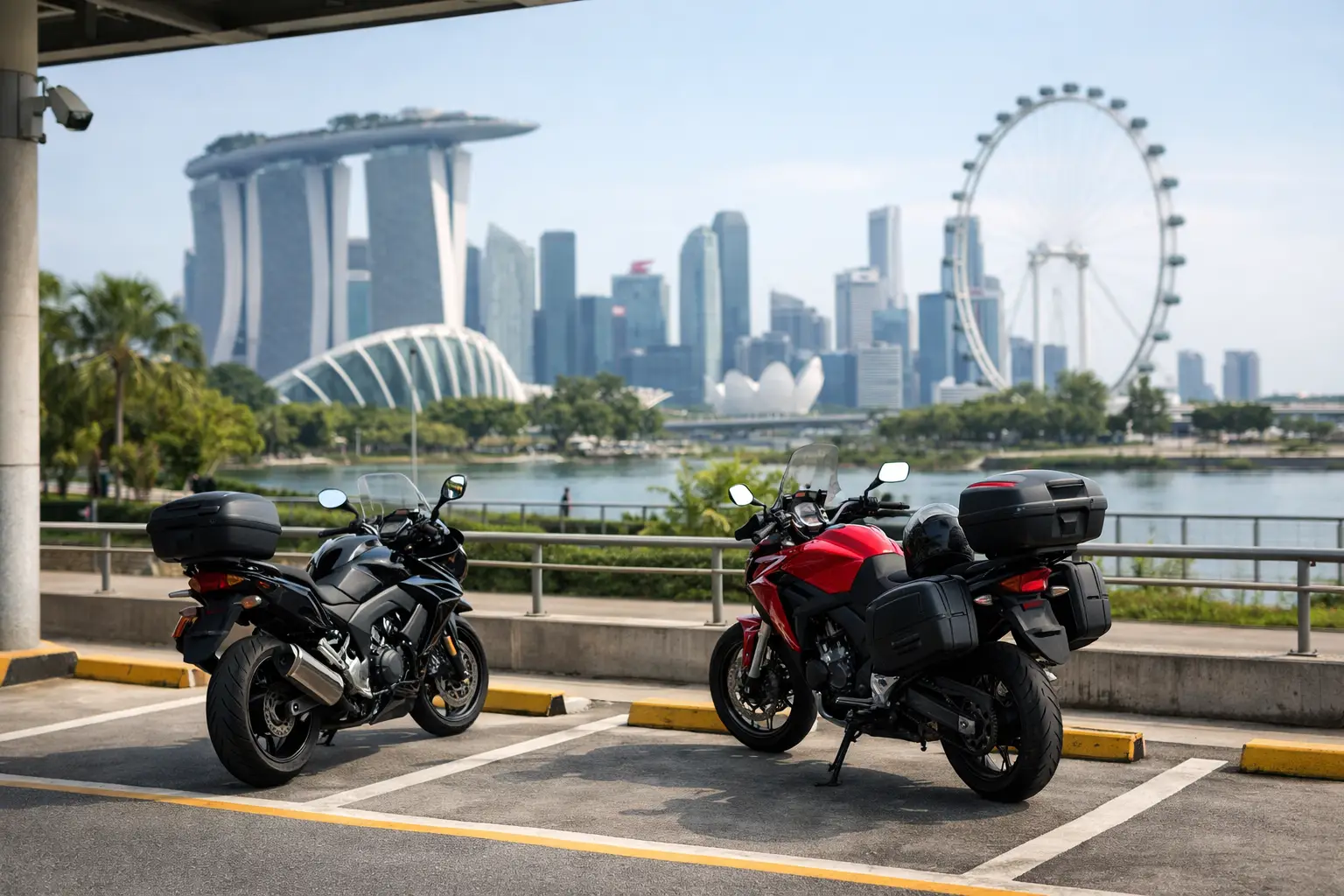
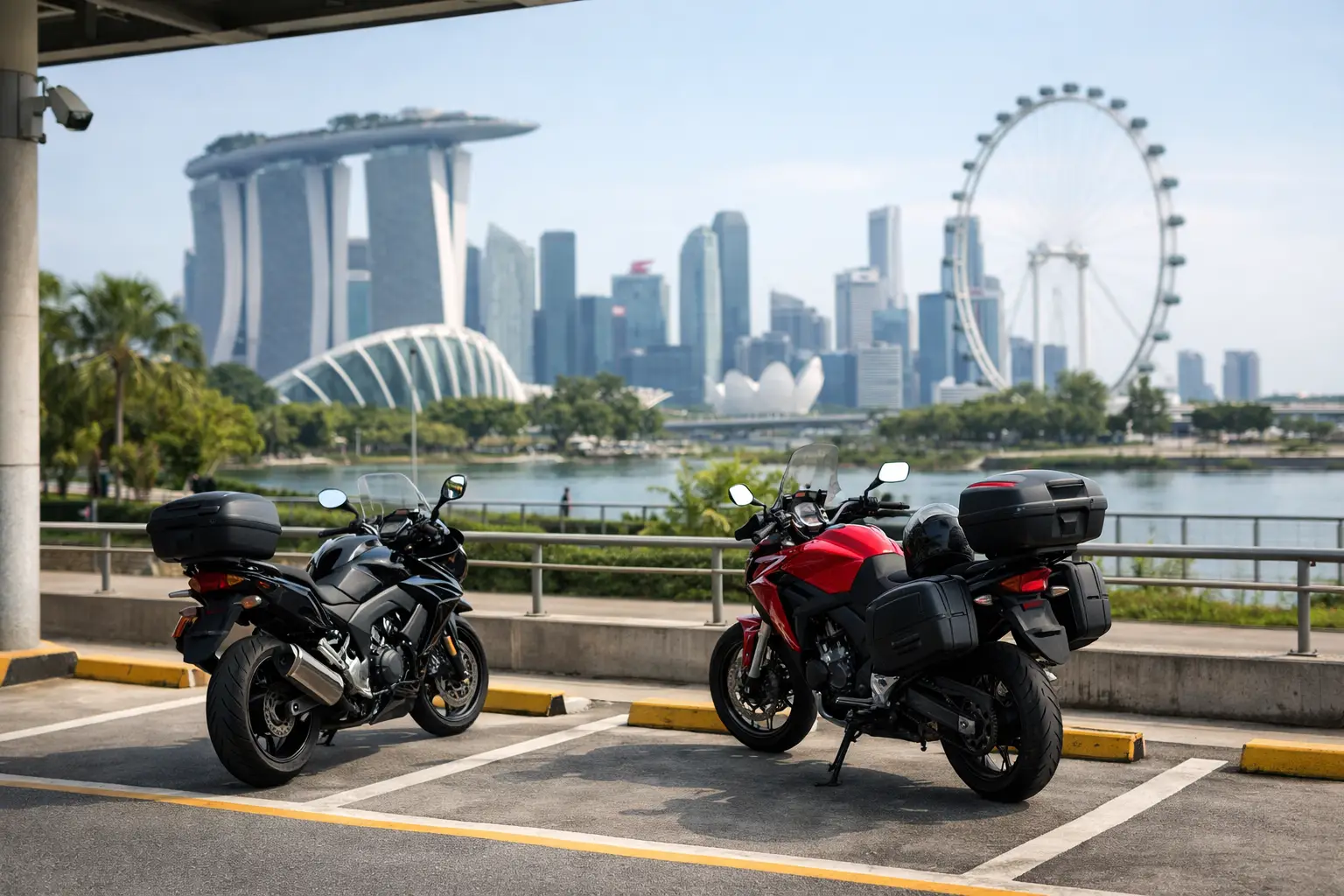
Start with designated motorcycle parking lots. These are marked bays intended for motorcycles and are commonly found in HDB car parks, shopping malls, office buildings, industrial estates, MRT-adjacent facilities, and public car parks. Look for motorcycle symbols, painted bay markings, or signs that state the parking conditions and charges.
HDB and neighborhood car parks are often the most practical choice for riders visiting homes, coffee shops, markets, or nearby services. If you park regularly near home, check whether season parking is available for motorcycles and whether there are restrictions for your specific car park. Rules and fees can vary, so do not assume every lot operates the same way.
At malls and commercial buildings, motorcycle bays may be located in the basement, at a side entrance, or in a separate section of the parking area. Give yourself a few extra minutes on your first visit. Following car signs alone can lead you to a barrier or parking level with no convenient motorcycle access.
For workplace parking, ask building management or your employer where motorcycles should enter and park. Some offices have dedicated bays, while others assign motorcycles to a particular level. Parking in a car space may feel easier during a busy morning, but it can breach the building’s rules and create trouble for other drivers.
Roadside Parking Requires Extra Care
Roadside parking is only appropriate where it is specifically allowed and marked. Never treat a wide sidewalk, a quiet service road, or an empty loading area as unofficial motorcycle parking. These areas may obstruct pedestrians, wheelchair users, delivery vehicles, emergency access, or building operations.
Avoid parking at bicycle racks, taxi stands, bus stops, fire access routes, loading bays, handicap-accessible spaces, or areas marked with double yellow lines and other restrictions. A spot may look harmless for ten minutes, but enforcement does not depend on how briefly you planned to stay.
When signs are unclear, choose another lot. A slightly longer walk is cheaper and less stressful than returning to find a penalty notice or your bike moved.
How to Choose a Safer Motorcycle Parking Spot
A legal bay is the first requirement. Security is the next. Motorcycles are easier to move than cars, and a poorly chosen lot can expose your bike to theft, accidental knocks, weather, or vandalism.
Choose a location with regular foot traffic, good lighting, and visible cameras when possible. A brightly lit bay near an active entrance is usually a better choice than an isolated corner at the back of a multistory car park. At night, this matters even more.
Look at how other motorcycles are parked. If bikes are squeezed tightly together or the lane is narrow, your mirrors, levers, and fairings are more likely to get bumped. Leave enough room to roll your bike out without forcing it past another motorcycle. Park within the bay lines and avoid blocking access for the rider next to you.
Covered parking is useful during Singapore’s rain and intense sun, but it is not automatically safer. A sheltered basement with poor lighting and little activity may be less secure than an open-air lot near a guarded entrance. Weigh weather protection against visibility and access.
If you ride a rental motorcycle, treat it with the same care you would give your own bike. Vroom Leasing customers should use designated lots, secure the bike properly, and take a quick photo after parking if the area is especially tight or unfamiliar. It takes seconds and can give you a clear record of the bike’s condition.
Park With the Exit in Mind
Before switching off the engine, think about leaving later. Can you roll out easily? Is the ground uneven, oily, steep, or covered with loose gravel? Is another rider likely to park so close that your handlebars cannot turn?
Backing a motorcycle uphill or out of a cramped corner is harder than it looks, especially after a long workday or during rain. If the bay leaves you with a difficult exit, find another one. A few more steps now can prevent a drop later.
Use the side stand or center stand only on stable ground. On a slope, park in a direction that keeps the bike stable, and leave the transmission in gear when appropriate for your motorcycle. Never rely on a stand alone when the surface is soft or uneven.
Paying for Motorcycle Parking Without Mistakes
Always check the sign at the lot before walking away. Motorcycle parking may be free, charged by time, covered by season parking, or managed under a building-specific payment system. A car park can have different rules for cars and motorcycles, even within the same location.
Make payment through the stated method and keep track of any time limit. If you are using an app or digital payment service, confirm that the correct vehicle type, location, and license plate details are entered. A payment made for the wrong car park or wrong plate may not protect you from a parking charge.
Do not copy what another rider is doing without checking the signage. They may have season parking, staff access, or a different arrangement with the property owner. The sign at your bay is the information that counts.
For regular destinations, save a simple note on your phone with the parking location, hours, and payment method. It is especially helpful for riders who rotate between client sites, malls, campuses, and job locations throughout the week.
A Five-Minute Parking Routine That Protects Your Bike
A consistent routine makes parking faster and reduces avoidable problems. Before you walk away, check these five points:
- You are in a marked motorcycle bay or an area clearly approved for motorcycle parking.
- Your bike is fully inside the space and is not blocking another motorcycle, lane, ramp, or walkway.
- The stand is on firm ground, the handlebars are locked, and the bike is stable.
- Any required parking payment has been completed using the correct plate number and location.
- Valuables, loose helmets, cameras, and removable accessories are not left exposed.
For extra peace of mind, use a quality lock where suitable and avoid leaving a helmet unsecured on the mirror. A lock will not replace smart parking, but it adds another layer of deterrence in public areas.
What to Do When There Are No Motorcycle Lots Nearby
This happens more often than riders expect, particularly in older shophouse areas or busy commercial zones. Do not improvise by mounting a curb or squeezing between parked cars. Instead, widen your search by one or two blocks and look for a public car park, HDB facility, or mall parking area with motorcycle bays.
If you are meeting someone, ask them where riders normally park before you arrive. Local knowledge can save time, but still verify the signs yourself. For appointments, arriving five to ten minutes earlier gives you enough time to find a proper lot without rushing into a bad decision.
If your motorcycle breaks down and cannot be moved safely, do not leave it in a hazardous position. Move it only if you can do so safely, then arrange assistance quickly. A dependable towing service is far better than risking damage to the bike or obstructing traffic while trying to solve the problem alone.
Good motorcycle parking is a small decision that protects your wallet, your bike, and the people moving around it. Make the legal, visible, well-marked option your default, even when the convenient shortcut is tempting.