



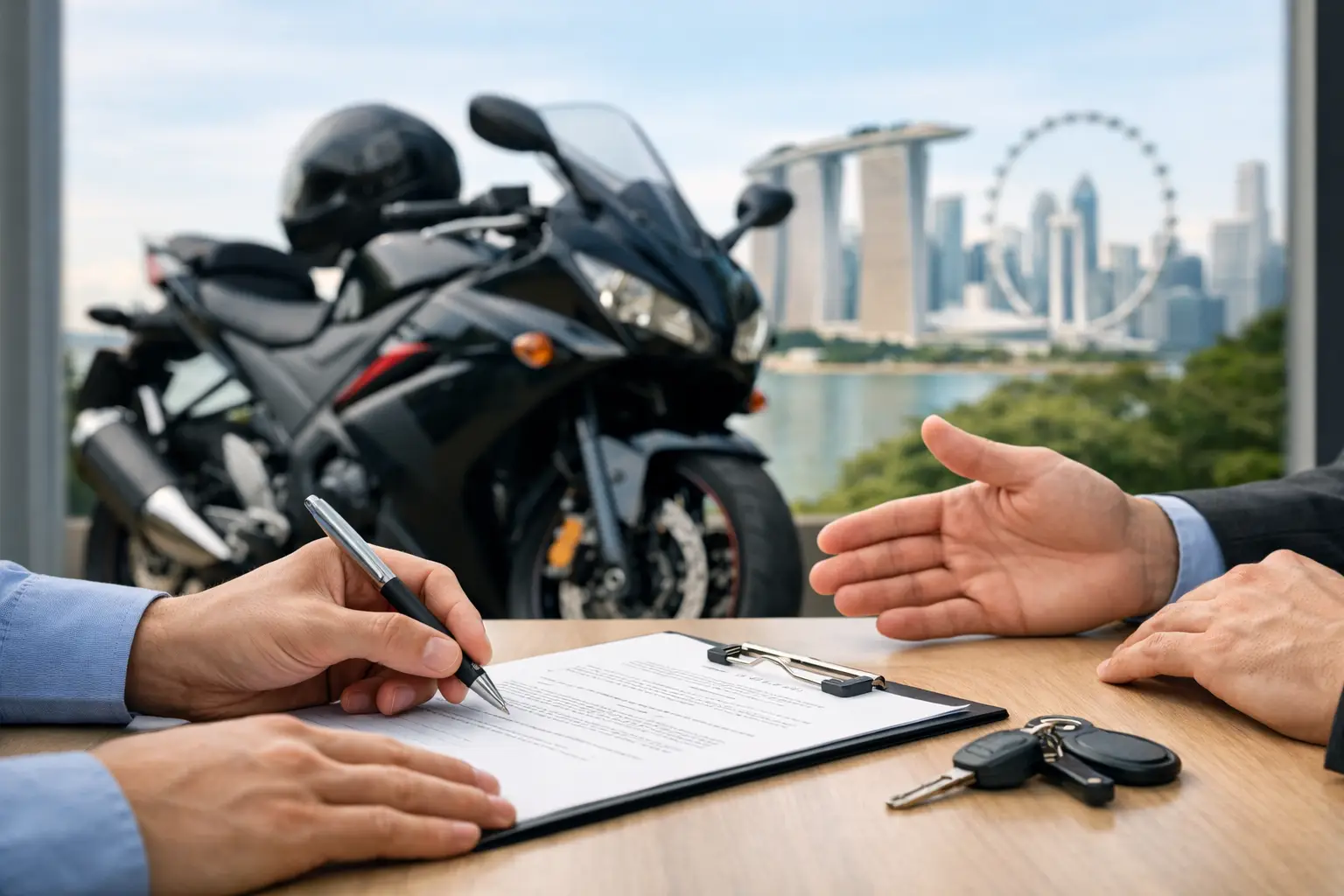
How to Lease a Motorcycle in Singapore Easily
A motorcycle can make the daily trip to work, school, or your next weekend ride far easier without tying you to the full cost of ownership. If you are researching how to lease a motorcycle in Singapore, the smartest first move is not picking the flashiest bike. It is choosing a bike category, lease period, and provider that match your license, budget, and actual riding routine.
For many riders, leasing offers a practical middle ground. You get access to a maintained motorcycle for longer than a quick daily rental, while avoiding major upfront costs, long financing commitments, and the uncertainty of resale. The details still matter, though. A low daily rate is only useful when you understand what is included, what happens during a breakdown, and what you will pay if plans change.
How to Lease a Motorcycle: Start With Your Riding Needs
Before comparing models, decide how you will use the bike. A rider commuting five or six days a week may value fuel efficiency, storage, and a comfortable riding position more than top-end performance. Someone using a motorcycle for occasional weekend rides may prefer a shorter lease or flexible rental arrangement instead.
Think honestly about your expected duration. If you only need a bike while yours is in the workshop or while you are waiting for a new one to arrive, a short-term rental may be the better fit. If you need consistent transport for several weeks or months, an extended lease can be more convenient and easier to budget for.
Your license class sets the first boundary. In Singapore, Class 2B riders should choose bikes they are legally allowed to ride, while Class 2A and Class 2 riders can consider larger-capacity options within their entitlement. Do not book based on what a friend rides or what looks good online. Pick a motorcycle that you can legally and confidently handle in traffic, wet weather, parking lots, and expressway conditions.
P-plate riders should be especially realistic. A lighter, manageable Class 2B bike is often the right place to start. The goal is dependable daily mobility, not making every ride harder than it needs to be.
Compare the Full Cost, Not Just the Daily Price
Affordable rates matter, but they are only one part of a lease decision. Ask for a clear breakdown before you commit. Understand the lease rate, security deposit, insurance excess, mileage terms if applicable, late-return charges, delivery or self-collection arrangements, and any administrative fees.
A lower advertised price can still become expensive if the terms are unclear. For example, a longer lease may have a better effective daily rate, but it may not make sense if your schedule is uncertain. On the other hand, paying a little more for a well-maintained motorcycle and responsive support can save you serious trouble when you depend on the bike to get to work.
Fuel, parking, Electronic Road Pricing charges, and any traffic fines are also part of your real riding budget. Leasing removes many ownership-related costs, but it does not remove the everyday cost of using a motorcycle in Singapore.
Check What Is Included in the Lease
A good lease should feel straightforward from collection to return. Read the agreement and ask direct questions about maintenance, insurance coverage, accident procedures, replacement-bike availability, and roadside assistance. You should know who to call before there is a problem, not while you are stranded at the roadside.
Maintenance is one of the biggest reasons riders lease rather than own. Tires, batteries, brakes, oil changes, and general wear all need attention. A provider that keeps its fleet serviced gives you a better chance of a trouble-free ride, but you still need to do your part. Check the motorcycle before every ride, report unusual sounds or warning lights quickly, and do not ignore a puncture, weak brakes, or handling changes.
At Vroom Leasing, riders can choose from Class 2B, Class 2A, and Class 2 motorcycles with maintained fleet options and 24/7 roadside assistance. That kind of support is particularly useful when your bike is your daily transport rather than a once-in-a-while convenience.
Prepare Your Documents Before You Book
The booking process is faster when your paperwork is ready. Exact requirements vary by provider and rider profile, but you will generally need the following:
- A valid motorcycle license for the bike class you intend to lease
- Identification and contact details
- A valid payment method for rental charges and any deposit
- Relevant information required for insurance and the lease agreement
If you are a newer rider, do not assume that every model or lease term will be available under the same conditions. Be upfront about your license class and riding experience. A reliable leasing team should explain the available choices clearly instead of pushing you into an unsuitable motorcycle.
Also confirm whether collection is self-service, appointment-based, or available with delivery. If you need the bike for an early shift, arrange the handover timing in advance. Small operational details can make the difference between a smooth first day and an unnecessary rush.
Inspect the Motorcycle at Collection
Do not treat collection as a formality. Take a few minutes to walk around the bike with the provider and record its condition. Check for existing scratches, cracked panels, worn tires, leaking fluids, loose mirrors, damaged lights, and any visible issues. Take clear photos or video if the process allows it.
Then sit on the motorcycle and make sure it suits you. Can you reach the controls comfortably? Do the brakes feel normal? Are the turn signals, horn, headlights, and brake lights working? If the bike has a storage box or phone holder, check that it is secure before riding away.
This protects both you and the provider. You begin with a shared record of the bike’s condition, and any issues can be addressed before they become a dispute at return. It is also a good time to ask where the fuel cap is, what fuel the bike uses, and how to contact support after hours.
Know Your Responsibilities While Leasing
A leased motorcycle is not your property, but it is still your responsibility while it is in your possession. Ride within your license class, obey traffic laws, park legally, secure the bike, and keep the keys safe. Never let an unauthorized person ride it, even if they say they have ridden motorcycles for years.
If there is an accident, theft, mechanical issue, or breakdown, contact the leasing provider immediately and follow the required procedure. Do not arrange repairs on your own unless you have been told to do so. Quick reporting helps protect your safety, your insurance position, and the condition of the motorcycle.
Be careful with modifications too. Adding accessories, changing parts, or altering the bike without permission can create safety, insurance, and return problems. If you need a practical addition such as a delivery box or phone mount, ask first.
Plan the Return Before the Last Day
The easiest lease return is planned from the beginning. Confirm the return date, time, location, fuel expectation, and inspection process. If you may need more time, contact the provider as early as possible rather than waiting until the lease has already ended. Extensions depend on fleet availability, especially for popular commuter models.
Before returning the motorcycle, remove your personal items, check under the seat and in any storage box, and give the bike a basic clean if it has become unusually dirty. Return it in the agreed condition and be present for the final inspection where possible. If there is any damage or concern, deal with it openly and promptly.
Leasing works best when it stays simple: choose the right bike, understand the terms, inspect it properly, and use support when you need it. The right motorcycle should make your week easier, whether you are heading across town for work or taking the long way home after a busy day.