



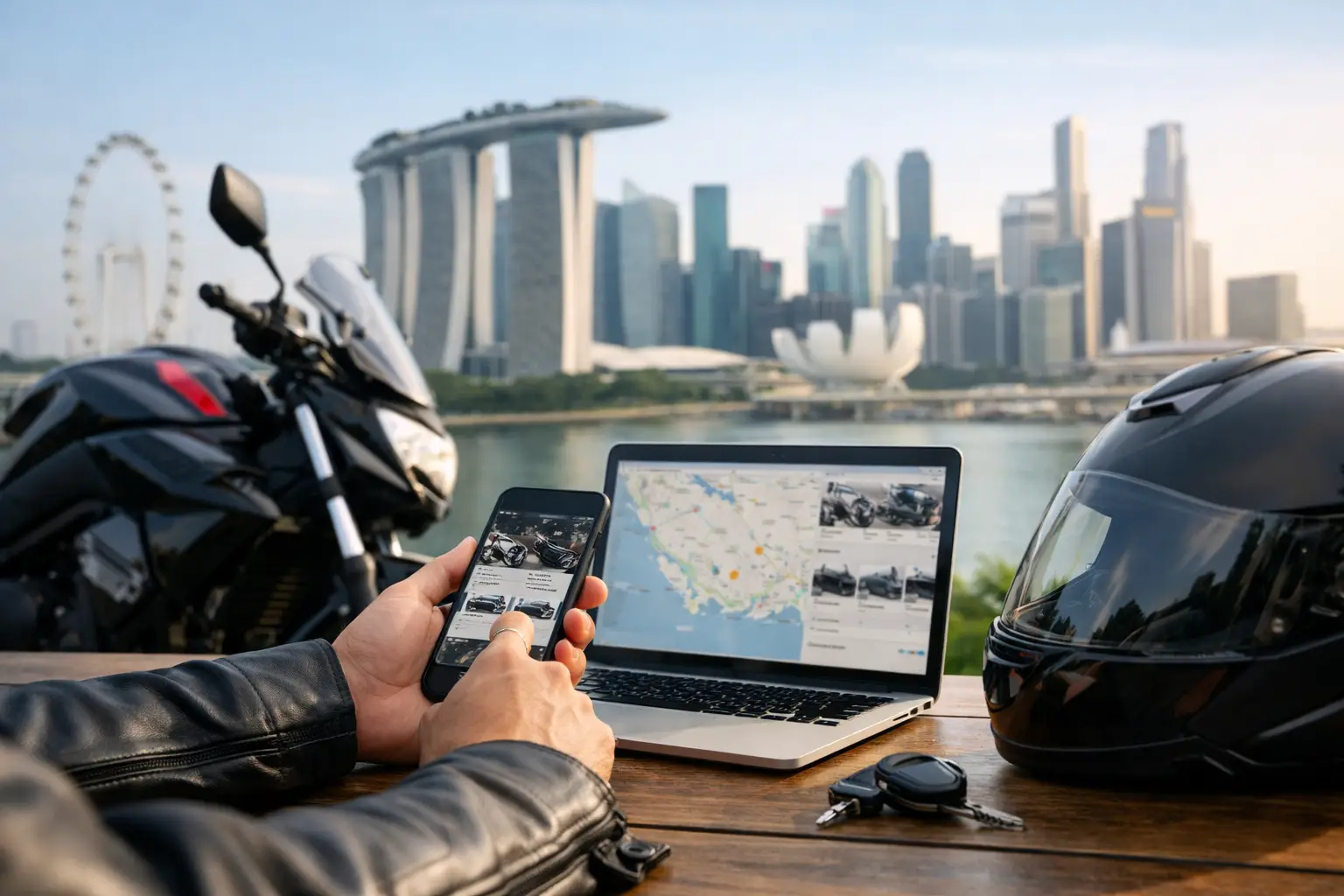
Complete Motorcycle Booking Guide for Singapore Riders
A low daily rate is only a good deal when the bike suits your license, your route, and the time you actually need it. This complete motorcycle booking guide helps Singapore riders book with fewer surprises, whether you need a practical commuter for the week, a ride for the weekend, or a longer-term replacement while your own bike is in the workshop.
The booking process should be quick, but it should never feel rushed. A few minutes spent checking the motorcycle class, rental period, collection details, and support arrangements can save you from choosing the wrong bike or paying for options you do not need.
Start With Your Real Riding Needs
Before looking at models, decide what the rental needs to do for you. A rider commuting from the west to the CBD every weekday has different priorities from someone planning a short weekend ride. Think about distance, passenger use, storage, parking, and how comfortable you are handling a heavier motorcycle in traffic.
For daily commuting, fuel efficiency, easy handling, and a manageable seat height often matter more than top-end performance. A Class 2B scooter or lightweight motorcycle can be a practical choice for newer riders and short urban trips. If you are licensed for Class 2A or Class 2 and expect to use expressways regularly, carry a passenger, or ride longer distances, a larger-capacity bike may offer more power and stability.
Do not book a bigger bike just because it looks more exciting. The right rental is the one you can control confidently in rain, traffic, car parks, and stop-start conditions. For P-plate riders, that usually means prioritizing familiarity over performance.
Match the Bike to Your License Class
Your license class is the first non-negotiable filter. In Singapore, Class 2B, Class 2A, and Class 2 riders have access to different motorcycle categories. A reputable rental provider will ask for the appropriate valid license before confirming the booking.
Class 2B riders should focus on motorcycles they are legally permitted to ride and comfortable operating. There is plenty of value in choosing a smaller bike: they are typically easier to maneuver, more economical, and less intimidating if you are still building road confidence.
Class 2A riders may have more options, but the same rule applies. Choose based on your experience, not just your entitlement. Class 2 riders can consider larger motorcycles, although weight, seat height, fuel use, and parking access still deserve attention. A powerful bike is not automatically the best choice for a crowded weekday commute.
If you are unsure which category fits your license or riding plans, ask before paying. A fast response before booking is a good sign that the provider will be easier to deal with if you need help later.
Complete Motorcycle Booking Guide: Check the Price Properly
A rental quote should be easy to understand. Start with the daily, weekly, or monthly rate, then look at the full cost of the rental period. Longer rentals can work out better per day, but only if you genuinely need the bike for that duration. Booking a month when you only need ten days is not a saving.
Ask what is included in the quoted price and what may be charged separately. Depending on the provider and rental arrangement, this can include a refundable deposit, delivery, late return charges, damage liability, fuel expectations, parking-related costs, or administrative fees. Clear terms protect both the rider and the rental company.
It is also worth checking whether roadside assistance is available and what it covers. A breakdown can turn a normal workday into a major disruption if you do not know who to call. Vroom Leasing supports riders with maintained rental bikes and 24/7 roadside assistance, which matters when reliability is more valuable than chasing the absolute lowest advertised price.
Affordable rates should not mean vague conditions. Read the rental agreement before confirming, especially if you are booking for an extended period or using the motorcycle for daily work travel.
Prepare Your Documents Before You Book
Having your information ready makes online booking and collection much faster. Requirements vary by provider, but riders will commonly need the following:
- A valid motorcycle license for the class of bike selected
- Identification and contact details
- Payment method for the rental and required deposit
- Any additional documents requested for insurance or verification
Check that your license is current and that the name on your booking matches your identification. If another person may ride the motorcycle, do not assume they are covered. Ask about authorized riders before collection. Lending a rental motorcycle to an unapproved person can create serious problems if there is an accident, traffic offense, or damage claim.
Choose Collection or Delivery Based on Your Schedule
Collection is often the most cost-effective option if you can reach the rental location easily. It also gives you time to inspect the motorcycle, ask questions, and get familiar with the controls before leaving. If you need the bike urgently or cannot get to the collection point conveniently, delivery may be worth the additional cost.
Confirm the collection or delivery window, especially if you are booking outside standard business hours. Be realistic about your timing. If you have a flight, a shift starting soon, or an appointment across town, build in a buffer for paperwork, inspection, and traffic.
At handover, do not rush away just because the motorcycle looks ready. Check the fuel level, take note of existing cosmetic marks, and make sure you understand where the helmet, key, documents, and any supplied accessories are stored. If anything is unclear, ask while the team is available.
Inspect the Motorcycle Like You Plan to Keep It Safe
Well-maintained rental motorcycles should be prepared before handover, but a rider should still complete a basic inspection. This is not about looking for faults to blame someone for. It is about starting your rental with a clear record and the confidence that the motorcycle is safe to ride.
Walk around the bike and photograph any visible scratches, cracks, or scuffs that have not already been recorded. Check the tires for obvious damage, confirm that the lights, turn signals, horn, and brakes work, and make sure the mirrors are adjusted for you. Sit on the bike and get a feel for the clutch, throttle, brake levers, and side stand before entering traffic.
For scooters, check the seat compartment and confirm how it locks. For motorcycles with a manual transmission, take a moment to understand the gear pattern and neutral position. A five-minute check can prevent an avoidable issue at the first traffic light.
Know the Rules for Fuel, Parking, and Return Time
A good booking ends as cleanly as it starts. Ask what fuel level is expected when you return the bike and keep your fuel receipts if the agreement requires them. Do not leave refueling until the final minute, particularly if you are returning during a busy period.
Parking is your responsibility while the motorcycle is in your care. Use legal motorcycle parking, secure the bike properly, and avoid leaving personal items in storage compartments. If the rental includes locks or other security equipment, use them every time you park.
Return timing matters too. A late return can affect the next rider’s booking, which is why rental providers may charge for it. If an unexpected delay is likely, contact the provider as early as possible. A quick message before the agreed return time is far better than going silent.
What to Do if Something Goes Wrong
Even with a properly maintained bike, punctures, battery issues, minor accidents, and mechanical problems can happen. The key is to stay calm and follow the rental provider’s instructions. Do not authorize repairs, tow the bike yourself, or leave it unattended in an unsafe location unless you have been told what to do.
If there is an accident, prioritize safety first. Move out of danger where possible, seek medical assistance if needed, gather the relevant details, and notify the rental company promptly. For a breakdown, share your exact location, the bike details, and a clear description of what happened. Fast, accurate information helps roadside support reach you sooner.
A rental motorcycle should give you freedom, not another thing to worry about. Choose a bike you can handle, book only the time you need, and work with a provider that explains the terms clearly. Then you can spend less energy managing the rental and more time enjoying the ride.