



What Documents for Bike Rental in Singapore?
You found a bike that fits your budget, need to get to work tomorrow, and want to collect it without delay. The question is simple: what documents for bike rental do you need? In Singapore, having the right paperwork ready can make pickup quick and hassle-free. Missing even one item, however, may delay your booking or mean the rental provider cannot release the motorcycle.
For most licensed riders, the process is straightforward. You will typically need a valid motorcycle license for the bike class, identification, a payment method, and enough information for the rental company to verify your booking. Requirements can differ depending on your residency status, rental duration, rider age, and the motorcycle category you choose.
What Documents for Bike Rental Should You Prepare?
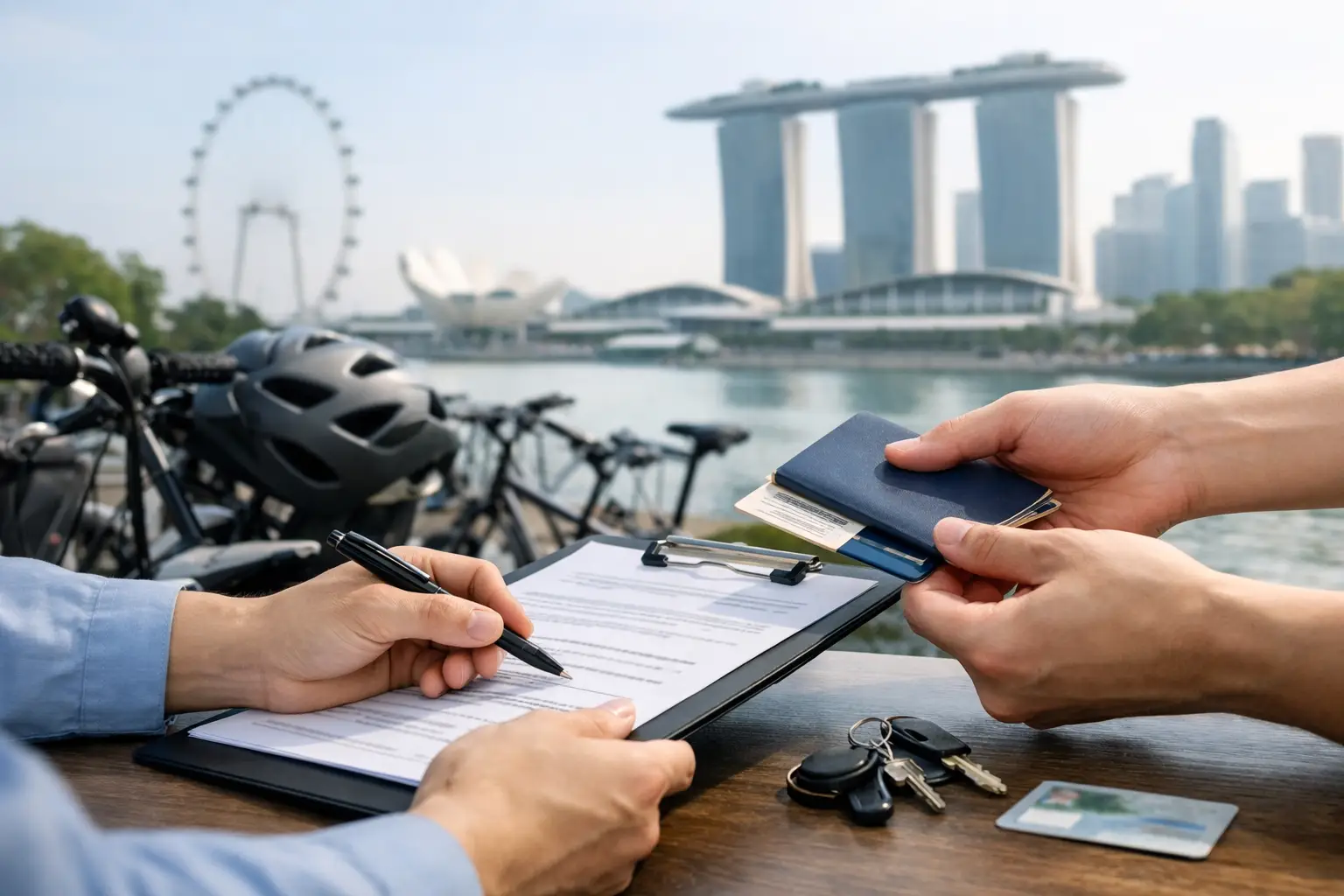
Before booking, gather the following documents and details. Clear photos or scans may be accepted during an online inquiry, but bring the original documents if the provider asks to inspect them at collection.
- A valid Singapore motorcycle driving license matching the motorcycle class
- Your NRIC for Singapore citizens and permanent residents, or passport and valid pass for foreign residents
- A payment card or approved payment method for rental charges and deposit authorization
- Booking confirmation or your reservation details, including collection date and time
- Any required supporting documents requested for your specific rider profile, such as a work pass or proof of address
The most important document is your license. A Class 2B license permits you to rent and ride motorcycles up to 200cc. Class 2A covers motorcycles up to 400cc, while a Class 2 license allows you to ride motorcycles of any engine capacity. Do not assume you can rent a larger bike because you have riding experience. The license class must match the bike you are collecting.
Your Motorcycle License Must Match the Bike
Rental companies check license eligibility to protect both the rider and the vehicle. If you hold a Class 2B license, choose a Class 2B motorcycle. If you have progressed to Class 2A or Class 2, you can select a bike within that category, subject to the provider’s rental terms.
P-plate riders should be especially careful. You may be eligible to rent if you hold a valid license, but some providers apply additional conditions for newer riders. These can include a higher deposit, restrictions on certain motorcycle models, or a minimum rental period. This is not meant to make renting difficult. It reflects the added risk of placing a higher-powered or premium bike with a rider who is still building road experience.
Bring your physical license if requested, and make sure it is current and readable. A blurry image, expired license, or license that does not show the required class can slow down verification. If your license was recently upgraded, check that the new class is reflected before you reserve a motorcycle in that category.
Foreign Licenses and International Riders
If you are not a Singapore citizen or permanent resident, your passport and valid Singapore pass may be required alongside your driving credentials. Whether a foreign motorcycle license can be accepted depends on local regulations, the length of your stay, license language, and the rental company’s policy.
An International Driving Permit may be relevant for some visitors, but it is not a universal replacement for meeting Singapore’s licensing requirements. Contact the rental provider before paying for a booking if you hold a foreign license. This is one area where assumptions can cost time and money, particularly if you need a bike for a work commute or a weekend plan.
Identification Helps Protect Your Booking
Your identification confirms that the person collecting the motorcycle is the person named on the agreement. Singapore citizens and permanent residents will commonly use their NRIC. Foreign residents may need a passport plus a valid work pass, student pass, dependent pass, or other approved immigration document.
Use your real legal name when booking. If the name on the booking, payment record, license, and ID do not match, the rental company may need to pause the handover until the discrepancy is resolved. This also applies when a friend tries to collect the bike for you. In most cases, the registered renter must be present, show their own documents, and sign the agreement.
If another person will ride the motorcycle, do not assume they are covered because they have a license. Ask the rental provider first. An additional rider may need to be declared, verified, and included in the rental agreement. Letting an unauthorized person ride can affect your responsibility if there is an accident, traffic offense, damage claim, or insurance issue.
Payment and Deposit Documents Matter Too
A valid payment method is part of what documents for bike rental providers may require. Rental charges cover the agreed rental period, while the security deposit helps manage risk for matters such as traffic fines, damage, missing items, or late return. The exact amount and payment process vary by motorcycle, rider profile, and rental terms.
Use a payment method in your own name where possible. It makes verification cleaner and reduces questions at collection. Ask in advance whether the provider accepts cards, bank transfer, PayNow, cash, or a combination of methods. Do not wait until pickup to find out that your preferred option cannot be used for a deposit.
Read the deposit terms before you ride away. Know when it may be refunded, what inspections take place at return, and whether outstanding administrative charges can affect the final amount. A lower daily rental rate can still be the better deal, but only when the full terms are clear and you are comfortable with them.
Booking Confirmation and Rental Agreement
Your booking confirmation is not always a formal document, but keep it ready on your phone. It should show the motorcycle selected, rental dates, collection location, contact details, and any delivery arrangement. If you requested a specific model, remember that availability can depend on fleet operations, servicing schedules, or a previous renter returning late. A reputable provider should explain alternatives clearly if a change is needed.
At collection, take time to read the rental agreement. This is where the practical details live: rental duration, mileage or usage conditions if applicable, insurance excess, fuel expectations, return timing, roadside assistance process, and prohibited uses. It may feel tempting to sign quickly when you are rushing to work, but two minutes of checking can prevent a difficult conversation later.
Look for rules on riding into Malaysia if that is part of your plan. Cross-border travel may have separate approval, insurance, paperwork, or vehicle requirements. Never assume a rented motorcycle can cross the border simply because your own bike could.
Check the Bike Before Leaving
Documents get you to the handover. A proper inspection protects you once the keys are in your hand. Walk around the motorcycle with the staff member and take clear photos or video of its condition before riding off. Record existing scratches, cracked panels, tire condition, mirrors, lights, brake levers, and any accessories provided.
Confirm that you receive the items stated in the agreement, such as keys, helmet arrangements where applicable, and emergency contact information. Check the fuel level and ask how the bike should be returned. If anything looks unusual, raise it before departure rather than after you have started the rental.
Maintained motorcycles and responsive support make a real difference when you depend on a bike daily. At Vroom Leasing, riders can choose from Class 2B, 2A, and 2 motorcycles with practical rental options and 24/7 roadside assistance support when needed. Still, every rider should do their own pre-ride check. Good paperwork and a careful handover are part of riding responsibly.
A Fast Pickup Checklist
The easiest way to avoid delays is to prepare the night before. Keep your valid license, NRIC or passport and pass, booking confirmation, and payment method together. Charge your phone, confirm the collection time, and make sure the motorcycle class matches your license.
If you are unsure whether a document is acceptable, ask before traveling to the collection point. A quick confirmation is far better than arriving without the right ID or discovering that your license category does not match the bike. Once your documents are ready, you can focus on the good part: getting on a well-maintained motorcycle and getting where you need to go.