



Motorcycle Roadside Assistance Explained
A dead battery at 7:30 a.m. can wreck your whole day faster than rush-hour traffic. If you ride to work, head to school, or rely on your bike to get across Singapore without wasting time, motorcycle roadside assistance is not a nice extra. It is backup that keeps one small problem from turning into a missed shift, a dangerous roadside wait, or an expensive towing mess.
For most riders, the real question is not whether breakdowns happen. They do. The question is what kind of help shows up when they do, how fast it arrives, and whether that help actually understands motorcycles.
What motorcycle roadside assistance actually covers
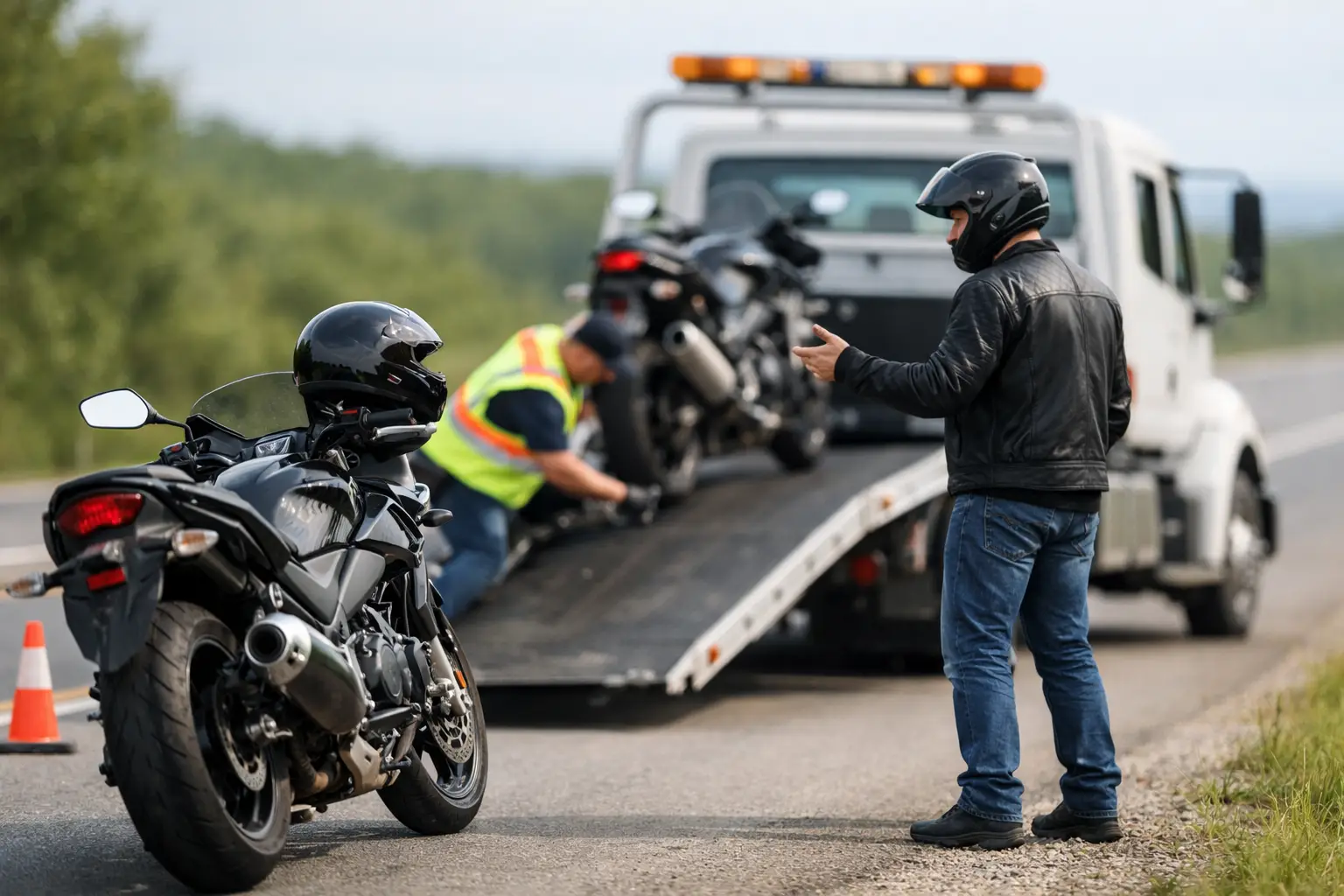
Motorcycle roadside assistance usually means on-the-spot support for common breakdown issues, plus towing when the bike cannot be fixed safely at the roadside. That can include battery problems, flat tires, engine trouble, overheating, electrical faults, and situations where the bike simply refuses to start.
A lot of riders assume roadside assistance is the same for cars and motorcycles. It is not. Bikes need different handling, different towing equipment, and a team that knows how to secure the vehicle without causing damage. A car tow process applied badly to a motorcycle can create a second problem while solving the first.
That is why motorcycle-specific support matters. A proper service should know how to assess the issue quickly, decide whether the bike can move, and transport it securely if needed. Speed matters, but correct handling matters just as much.
Why riders need motorcycle roadside assistance more than they think
Motorcycles are efficient, affordable, and easy to work into daily life. They also leave less room for error when something goes wrong. A puncture that is frustrating in a car can feel urgent on a bike. A battery problem in a parking lot is annoying. The same problem on the roadside at night is different.
For commuters and newer riders, the biggest benefit is peace of mind. You know there is a clear next step if the bike cuts out, stalls repeatedly, or develops a problem you cannot diagnose on the spot. That matters even more if you are riding a rental or leased motorcycle and need quick support with minimal downtime.
Experienced riders benefit too. Mechanical knowledge helps, but not every issue is safely fixable by the side of the road. Sometimes the smart move is to stop guessing, stop risking more damage, and get the bike towed properly.
The most common situations where roadside help saves the day
Battery trouble is one of the biggest reasons riders call for help. Maybe the bike was left parked too long, maybe the battery is aging out, or maybe there is an electrical issue draining power. Either way, if the engine will not turn over, you are stuck until someone can test or recover the bike.
Flat tires are another common problem. On a motorcycle, tire condition matters more than many riders admit. A small puncture can quickly turn into a safety issue, especially if you are already on the move. In some cases, towing is the safer option than trying to patch anything roadside.
Then there are mechanical faults that give little warning – overheating, chain issues, brake concerns, strange engine noises, or a sudden loss of power. These are the calls where fast response really matters. The longer you sit exposed at the roadside, the worse the situation feels.
Accidents are a separate category. Even when the bike looks rideable, it may not be safe to continue. Handlebars can be misaligned, tires can be damaged, or parts can be loosened in ways that are not obvious right away. Roadside assistance is not just about convenience. Sometimes it prevents a second incident.
What good motorcycle roadside assistance should include
Not all support services are equal, and riders usually find that out at the worst possible moment. A good roadside assistance setup starts with response time. If a provider takes too long to answer or dispatch help, the value drops fast.
The second thing is motorcycle handling. Ask whether the service actually transports motorcycles regularly, not just vehicles in general. Proper loading, strapping, and towing equipment should be standard, not improvised.
Clear communication matters too. When you call, you should get simple answers about arrival time, likely next steps, and where the bike can be taken. If pricing or process sounds vague, that is usually a warning sign.
The best providers also understand rider urgency. If your bike is your daily transport, every hour matters. A dependable team treats the situation like a real disruption, not a low-priority pickup.
Motorcycle roadside assistance for rental and leased bikes
This is where many riders make a smarter choice than ownership. If you are using a rental or leased motorcycle from a service-driven provider, support is often more organized from the start. There is usually already a process in place for breakdown reporting, towing, maintenance follow-up, and replacement arrangements where applicable.
That removes a lot of uncertainty. Instead of figuring out who to call, where to tow the bike, and what a repair shop will say, you have one point of contact. For practical riders, that convenience is a serious advantage.
It also helps that maintained rental fleets are typically checked more consistently than many privately owned bikes that are used hard and serviced late. That does not eliminate breakdowns, but it can lower the chances of preventable issues.
For riders who want affordable mobility without ownership headaches, this is one of the strongest arguments for choosing a provider that includes support as part of the service. Vroom Leasing, for example, builds that trust around maintained bikes, quick towing response, and 24/7 roadside support, which is exactly what riders need when plans go sideways.
When to call right away and when to wait
Some problems are obvious call-now situations. If the bike will not start, loses power while riding, has brake trouble, overheats badly, leaks fluid, or feels unstable, stop and call. Do not push through traffic hoping it clears up.
If you have a minor issue in a safe location, there may be a little more room to assess. Maybe the battery connection is loose. Maybe the side stand sensor is acting up. Maybe you need a moment to confirm whether the problem is rider error or a real fault. That said, there is a limit. If you are unsure, roadside help is cheaper than making a bad call and causing bigger damage.
Safety should be the deciding factor. If you are stranded in a risky area, at night, in bad weather, or on a busy road, treat speed as a priority even if the problem seems small.
How to make roadside assistance work better for you
When you call, give clear details fast. Share your location, bike model, the issue as best as you can describe it, and whether the bike is safe to move. If there was a warning light, a loud sound, or visible damage, say that early.
It also helps to keep the basics ready before anything happens. Save the support number, know your bike details, and keep your phone charged when riding. These sound obvious, but they matter a lot when you are under pressure.
Preventive habits still count. Check tire pressure, battery condition, oil level, and chain condition regularly. Roadside assistance is the backup plan, not a substitute for maintenance. The less avoidable your breakdown is, the less often you lose time and money.
The real value is not just towing
Riders often think of roadside support as a tow truck and nothing else. The bigger value is reducing stress, downtime, and bad decisions. Good motorcycle roadside assistance gives you a fast route from breakdown to solution. That might mean roadside diagnosis, safe transport, repair coordination, or simply getting you out of a vulnerable spot quickly.
And that is what most riders actually want. Not a complicated membership pitch. Not vague promises. Just reliable help when the bike stops cooperating.
If you depend on two wheels to keep your day moving, choose support the same way you choose a bike – practical, affordable, and ready when it counts.