



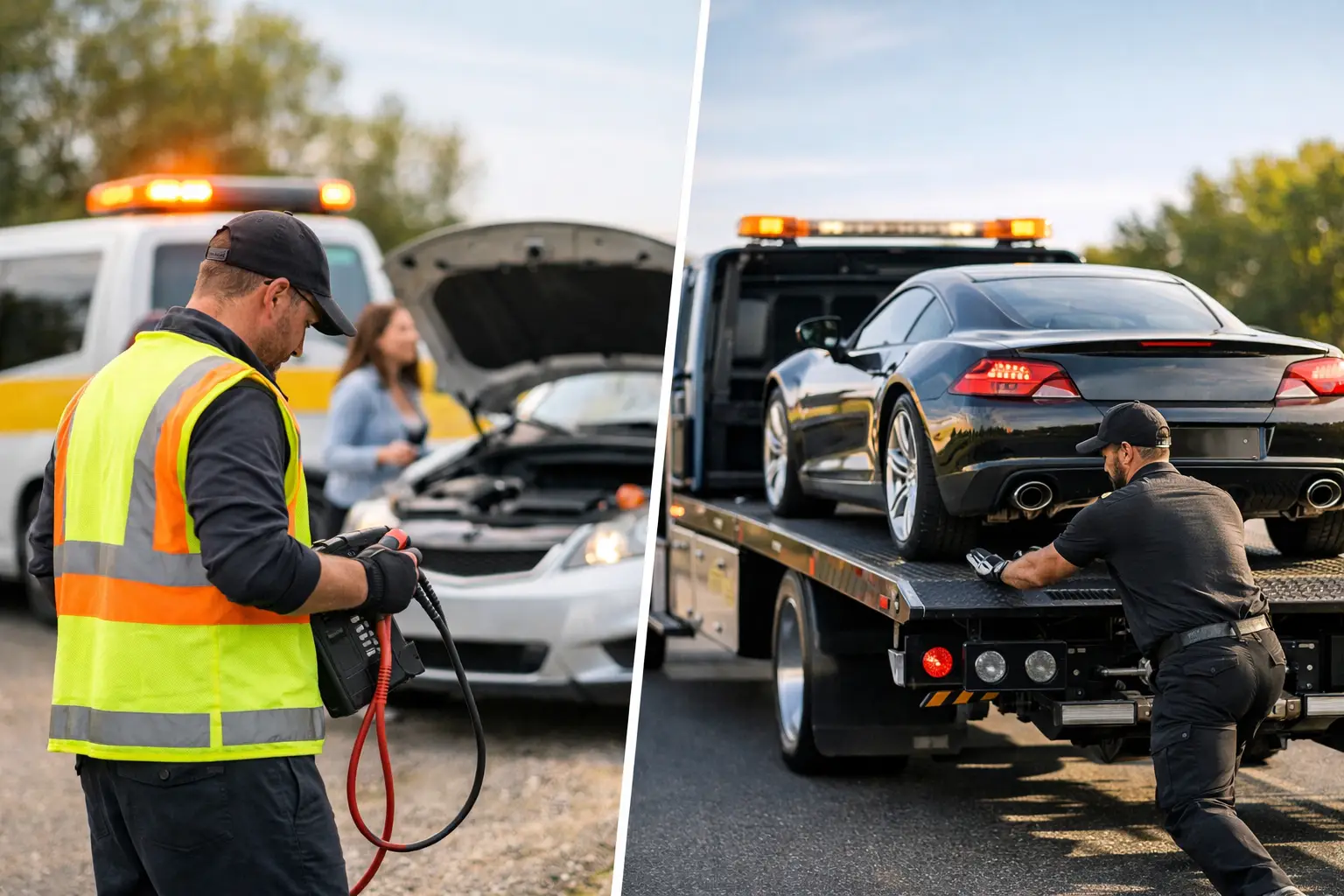
Roadside Assistance Versus Private Towing
A motorcycle breakdown rarely happens at a convenient time. It is often after work, in heavy rain, on an expressway shoulder, or when you are already late to collect someone. When comparing roadside assistance versus private towing, the right choice comes down to one question: can the problem be safely solved where you are, or does your bike need to be moved?
For riders in Singapore, both options can protect you from a long and stressful roadside wait. But they are not the same service, and choosing based on price alone can create more trouble. Knowing what each option covers helps you get moving faster, control the cost, and avoid sending your motorcycle to the wrong place.
Roadside Assistance Versus Private Towing: The Core Difference
Roadside assistance is designed to get a rider back on the road when the issue is minor and repairable on the spot. Depending on the provider and the situation, that may mean checking a flat battery, providing a jump-start, helping with a flat tire, inspecting a loose connection, or carrying out basic troubleshooting.
Private towing is for situations where riding the bike is unsafe, impossible, or likely to cause further damage. A towing provider collects the motorcycle and transports it to your preferred workshop, a dealer, your home, or another suitable location. The service is less about repairing the fault at the roadside and more about moving your bike safely and efficiently.
The distinction matters because a jump-start and a tow solve different problems. If your battery has gone flat after leaving lights on, roadside help may be all you need. If your engine has overheated, your chain has failed, or your bike has been involved in an accident, trying to ride away can turn a manageable repair into a bigger bill.
When Roadside Assistance Makes More Sense
Roadside assistance is usually the practical first call when the bike appears mechanically sound but will not start or needs a simple fix. It is especially useful for commuters who need a quick assessment before deciding whether a tow is necessary.
A trained responder may be able to identify obvious issues such as a discharged battery, a blown fuse, a loose battery terminal, or a tire problem. If the motorcycle can be made roadworthy safely, you avoid the time and expense of transporting it. For riders who rent or lease a bike, included roadside support can also make a breakdown less intimidating because there is a clear first point of contact.
That said, roadside assistance has limits. A technician cannot safely rebuild a damaged engine at the curb or diagnose every electrical fault without workshop equipment. If the same problem returns after a temporary fix, do not keep restarting the bike and hoping for the best. Ask whether towing is the safer next step.
Good Situations for a Roadside Call
Roadside help is often suitable when your motorcycle has a flat battery, a minor puncture, a fuel-related issue, or a small electrical problem. It can also be useful if you are unsure what has gone wrong and want a professional assessment before authorizing a tow.
The key word is safe. If there is no smoke, leaking fluid, collision damage, severe noise, or loss of braking control, an on-site inspection may save you money and get your day back on track.
When Private Towing Is the Better Decision
Private towing is the right choice when continuing to ride puts you, other road users, or the motorcycle at risk. Do not attempt to nurse a seriously damaged bike home just because the destination is nearby. Singapore traffic moves quickly, and stopping again in an unsafe location can be worse than the original breakdown.
Call for towing if the engine is overheating, the motorcycle has been in an accident, the brakes feel weak, the wheel is damaged, the chain has come off or snapped, or there is a major oil or coolant leak. You should also tow the bike if it repeatedly stalls, produces smoke, makes loud knocking sounds, or has a warning light paired with poor performance.
Private towing gives you more control over where your motorcycle goes. This is valuable if you have a trusted workshop, need to return a rented bike, or want the vehicle sent directly to a location that can carry out repairs. Before confirming the tow, state the bike model, its condition, your pickup point, and your preferred drop-off point. Clear details help the provider send suitable equipment and give a more accurate quote.
Comparing Cost, Speed, and Coverage
There is no universal winner between roadside assistance and private towing because the best value depends on the failure. Roadside assistance may cost less when the issue is resolved quickly. Towing can cost more because it involves specialized transport, loading, securing the motorcycle, and travel to the destination. However, a tow can be the cheaper option if riding a damaged bike causes an engine seizure, crash, or further mechanical failure.
Speed also depends on your location, traffic conditions, weather, and service demand. Roadside support may arrive quickly but still lead to a tow if the technician cannot repair the issue. A direct towing request can save a step when you already know the bike cannot be ridden.
Coverage is another major difference. Some rental, leasing, insurance, or membership arrangements include limited roadside assistance but may exclude towing distance, after-hours charges, accident recovery, or workshop repairs. Private towing is often arranged as a separate paid service, which can be useful when you want direct control rather than working within policy limits.
Before you need help, read the service terms. Check whether support operates 24/7, whether there are distance limits, what types of breakdowns are included, and whether you can choose the destination workshop. A low headline price is not always the lowest final cost if additional fees apply after the motorcycle is collected.
What to Do Before You Call for Help
Your safety comes first. Move the motorcycle out of live traffic only if it can be done safely. Switch on your hazard lights if available, stay visible, and do not stand where passing vehicles can hit you. On an expressway, keep a safe distance from traffic and follow local road safety guidance.
When you call, give your exact location. Mention nearby exits, landmarks, car parks, or road names rather than saying only that you are “near town.” Explain whether the bike can roll, whether the steering is locked, whether there has been an accident, and whether there are fluid leaks. These details affect how the motorcycle should be recovered.
Take clear photos of the bike before it is loaded, especially after an accident or if there is visible damage. Remove loose personal items and keep your key, identification, and any rental documents with you. If you are riding a leased or rented motorcycle, contact the provider promptly and follow its breakdown instructions rather than authorizing repairs without approval.
Avoid Choosing on Price Alone
The cheapest quote can become expensive if the responder is delayed, cannot handle motorcycles properly, or sends your bike somewhere you did not approve. A motorcycle should be secured using appropriate methods to prevent scratches, bent levers, damaged fairings, or unnecessary strain on the suspension.
Ask direct questions before confirming a service. Does the quote include pickup and drop-off? Is there an after-hours charge? Can the bike be delivered to your chosen workshop? What happens if the motorcycle cannot be repaired at the roadside? A dependable provider should answer clearly instead of leaving you to discover costs after the tow is complete.
For riders who depend on their bike for daily work, school, or family commitments, response quality matters as much as the price. Vroom Leasing supports riders with maintained motorcycles and roadside help because a fast, practical response can make a difficult breakdown far less disruptive.
Make the Right Call for the Condition of Your Bike
Choose roadside assistance when the problem looks minor, the motorcycle is otherwise safe, and a quick on-site fix could get you moving again. Choose private towing when there is damage, a serious mechanical issue, an accident, or any doubt about whether the bike can be ridden safely.
The best decision is not always the one that gets you moving immediately. Sometimes the smartest move is getting the motorcycle to a proper workshop, protecting your safety, and making sure the next ride is a confident one.