



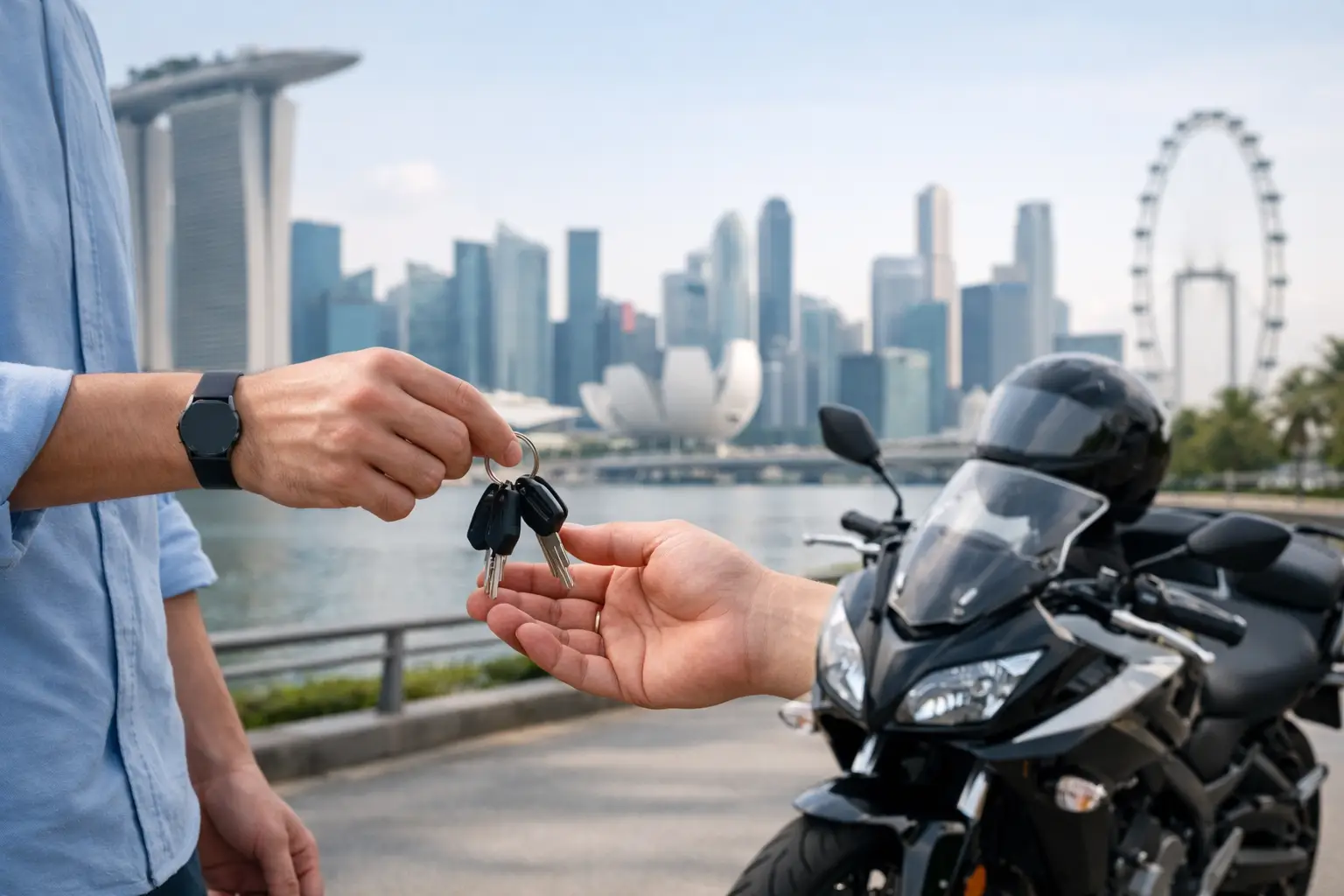
How to Rent Your First Motorcycle in Singapore
Your first rental should feel like freedom, not a stressful test of paperwork, deposits, and unfamiliar controls. Knowing how to rent your first motorcycle before you book helps you choose a bike that fits your license, your budget, and the roads you plan to ride on – whether that is a weekday commute, a delivery shift, or a weekend trip.
For riders in Singapore, renting is often the practical alternative to buying. You get access to a maintained motorcycle without a large upfront purchase, long-term financing, or the pressure of handling every repair yourself. The key is to rent smart: understand the terms, inspect the bike, and choose a rental period that actually works for your routine.
How to Rent Your First Motorcycle Without Surprises
Start with the license you hold. Your rental motorcycle must match your valid Singapore motorcycle license class. Class 2B riders should rent a Class 2B-eligible motorcycle, while Class 2A and Class 2 riders can select from the categories their licenses allow. Do not assume a bike is suitable just because it looks small or easy to handle. Check the engine class and confirm it with the rental team before payment.
You will usually need your identification, a valid motorcycle license, and payment for the rental and required deposit. P-plate riders should be upfront about their status. A reliable rental provider will explain whether there are extra conditions for newer riders, rather than leaving you to find out at collection.
Read the rental agreement before you confirm. Focus on the rental duration, deposit amount, mileage or usage conditions if any, return timing, fuel expectations, accident procedures, and who may ride the motorcycle. The lowest daily rate is not automatically the lowest total cost if the terms do not suit your plans.
Pick a rental period that matches your real schedule
A daily rental makes sense when you need a bike for a specific errand, a short trial, or a weekend ride. If you commute regularly, work shifts, or need transport while your own motorcycle is being repaired, a weekly or extended rental can be better value and less hassle.
Be realistic about return time. Returning late can create extra charges, and rushing through traffic to avoid them is never worth the risk. If your schedule may change, ask whether an extension can be arranged and how early you need to notify the provider.
Choose a Motorcycle You Can Ride Comfortably
Your first rental is not the time to prove you can handle the biggest motorcycle available. Rent a bike you can manage at low speed, park confidently, and ride through stop-start traffic without feeling tense.
For many new or returning riders, a lightweight Class 2B motorcycle is a sensible starting point. It is generally easier to maneuver in parking areas and more forgiving when you are getting used to a new bike’s clutch, throttle response, brakes, and turning radius. More experienced riders may prioritize highway comfort, storage, passenger capability, or stronger acceleration, but control should still come before performance.
Think about the ride you will actually make. A short urban commute calls for something economical and easy to filter through traffic. Longer daily travel may make wind protection, riding position, and seat comfort more valuable. If you plan to carry a bag, rain gear, or work items, check the available storage and whether a top box is included or available.
Seat height matters too. You do not need to plant both feet flat at every stop, but you should be able to stabilize the motorcycle with confidence. If you are unsure, ask to sit on the model during collection and test how it feels with your riding gear on.
Know the Full Cost Before You Book
Affordable motorcycle rental is about more than the advertised daily price. Ask for a clear breakdown so you know what you will pay at collection and what may be charged later. This avoids the common first-time mistake of budgeting only for the base rental rate.
Your expected costs may include the rental fee, refundable security deposit, insurance excess or liability conditions, delivery or self-collection arrangements, and add-ons such as helmets or storage. Fuel is another practical expense. Confirm the fuel level at handover and ask how the motorcycle should be returned.
The deposit deserves special attention. Find out when it is refunded, what deductions could apply, and how damage is assessed. Normal road dirt is different from new damage, but you should not rely on memory if there is a disagreement later. A proper pre-rental inspection protects both the rider and the rental company.
A budget-friendly rate is valuable, but maintained tires, working lights, responsive brakes, and support when something goes wrong are worth paying attention to. A cheaper rental becomes expensive fast if it leaves you stranded before work or during a heavy rainstorm.
Inspect the Motorcycle Before You Leave
Do not treat collection as a quick handover. Take a few minutes to walk around the motorcycle in good light. Photograph or record any existing scratches, cracked panels, dents, worn areas, and accessory condition before you ride away. Make sure the rental team notes anything you find.
Check the basics: the tires should have usable tread and proper-looking condition, the brakes should feel firm, the headlight and brake light should work, and the turn signals should operate correctly. Look for mirrors that are secure and adjustable. Test the horn, check the fuel level, and make sure the license plate is clearly attached.
Then get familiar with the controls. Different models place switches and levers slightly differently, especially if you normally ride another type of motorcycle. Locate the turn signal switch, high beam, hazard lights if equipped, fuel cap release, side stand, center stand, and seat or storage release. Ask questions before you leave the collection point, where help is close by.
Take a short settling-in ride
If possible, start in a quiet area rather than joining busy traffic immediately. Feel the clutch bite point, throttle sensitivity, front and rear brake response, and balance at walking speed. New riders often need a few minutes to adapt even when the motorcycle is the same license class as the one used in training.
Keep the first ride simple. Avoid carrying a passenger, loading heavy items, or attempting unfamiliar expressways until you are comfortable with the motorcycle. If something feels wrong mechanically, stop safely and contact the rental provider right away.
Ride Like the Motorcycle Is Not Yours – Because It Isn’t
A rental motorcycle gives you flexibility, but it also requires care. Follow traffic laws, park only where permitted, and secure the bike every time you step away. Keep the key with you, use the provided lock or security features correctly, and avoid leaving valuables in visible storage compartments.
Singapore weather can change quickly, so carry rain gear and slow down when roads are wet. Leave more space behind vehicles, brake progressively, and be especially careful around painted road markings, metal covers, and oil-slick areas. Your first rental does not need to become your first insurance claim.
If the motorcycle breaks down, gets a flat tire, or is involved in an accident, follow the rental company’s reporting process immediately. Do not authorize repairs yourself unless you have been told to do so. A provider with responsive roadside support can make a difficult moment far more manageable. Vroom Leasing supports riders with maintained rental motorcycles and 24/7 roadside assistance, which is useful when transport cannot wait.
Return the Motorcycle Properly
Before returning the bike, remove your belongings from the storage compartment, check that you have the key, and refuel if your agreement requires it. Give yourself enough time to reach the return point without rushing. A quick final walk-around and a few photos can be useful, particularly if you collected the motorcycle with existing marks documented.
At handover, ask if there are any issues to address and confirm the next step for your deposit return. Keep your rental agreement and payment records until the deposit is settled. This is simple admin, but it keeps your first rental clear from start to finish.
The best first rental is usually not the fastest bike or the longest ride. It is the one that gets you where you need to go comfortably, stays within budget, and leaves you confident enough to ride again tomorrow.