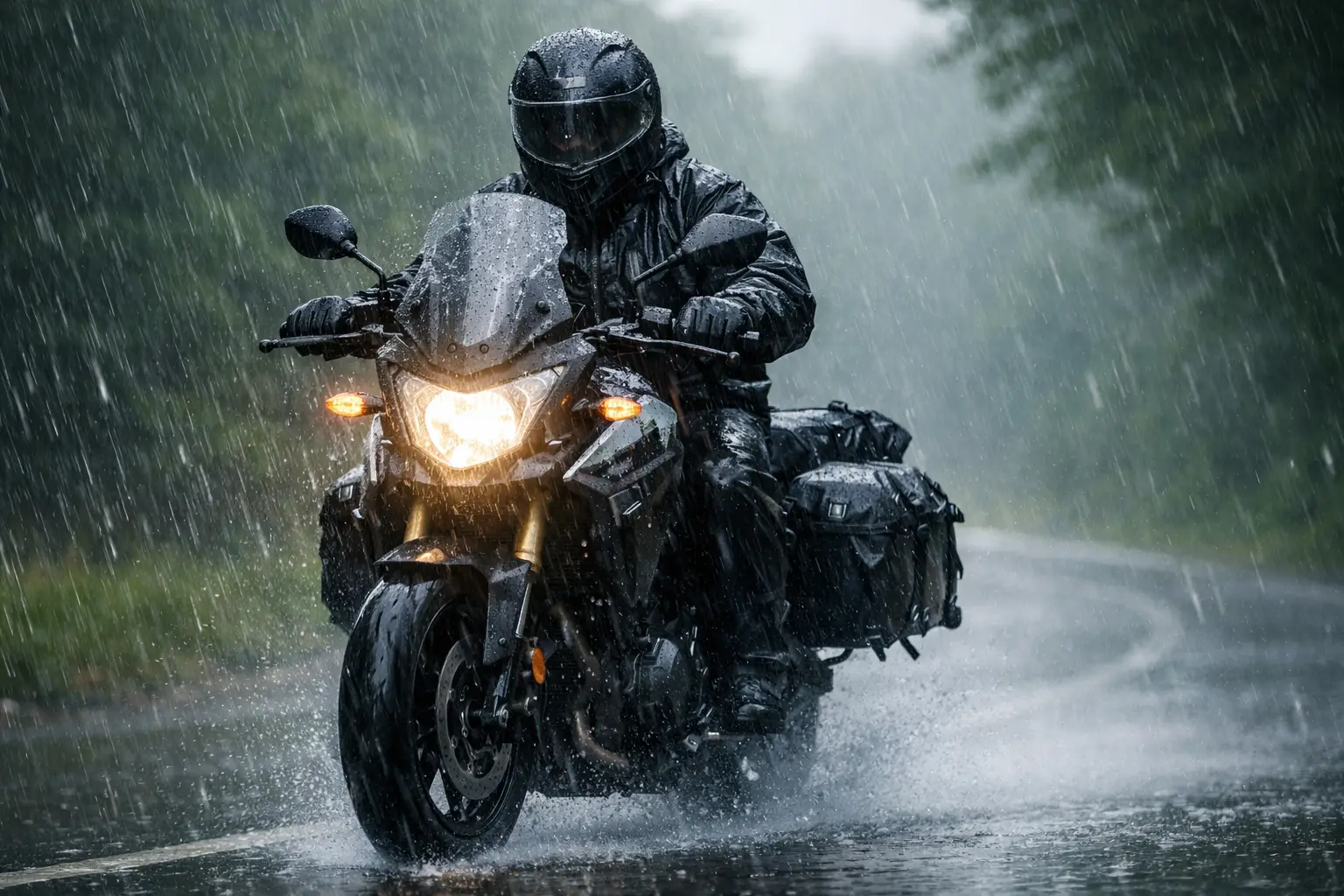
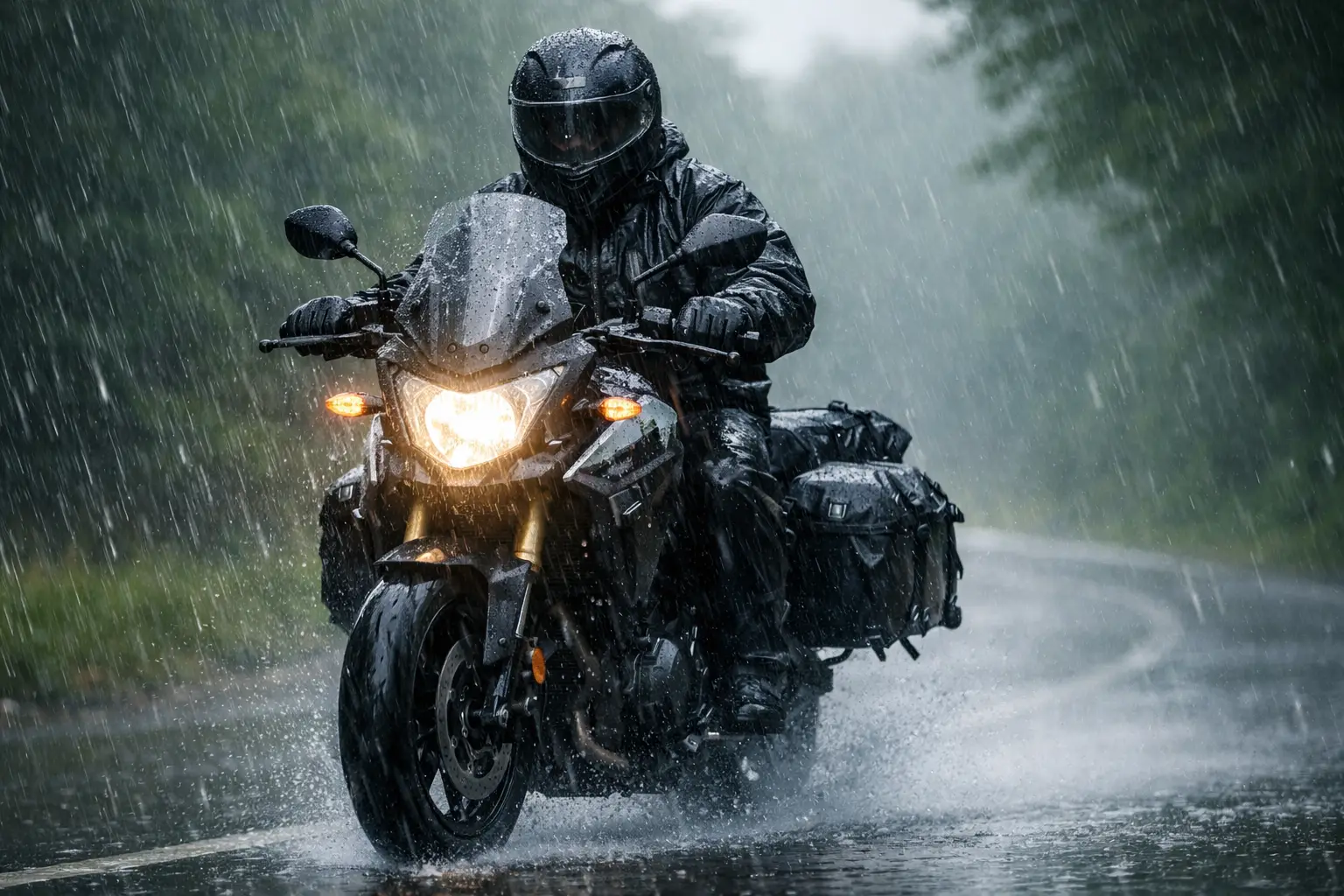
Best Rain Gear for Motorcyclists That Works
A sudden downpour can turn a normal ride into a cold, blurry, slippery mess before you reach the next traffic light. The best rain gear motorcyclists use is not the most expensive set on the shelf. It is gear that goes on quickly, keeps water out at speed, stays visible in traffic, and does not make operating the bike harder.
For riders who commute, rent, or ride on weekends, rain gear is practical safety equipment. Getting soaked is uncomfortable, but wet gloves can reduce control, fogged eyewear can limit vision, and loose rain pants can distract you when you need to focus on the road. Buy for the rides you actually take, not for one perfect-looking product photo.
Best Rain Gear for Motorcyclists Starts With the Right System
A waterproof jacket alone is not a complete solution. Rain finds the gaps: the neck, wrists, waist, boot opening, and the seat area. A proper setup covers your upper body, lower body, hands, and feet, while still allowing you to brake, shift, shoulder-check, and move naturally.
For most riders, a two-piece rain suit is the smartest starting point. A separate jacket and pants are easier to put on over normal riding gear and easier to replace if one piece wears out. They also work well for daily commuting because you can wear only the jacket during a light shower or use the full suit when the rain is serious.
One-piece suits have fewer openings where water can enter and can be very effective in sustained rain. The trade-off is convenience. They take longer to put on, need more storage space, and are frustrating if you need a restroom break during a long ride. For short urban trips with unpredictable weather, two pieces are usually more practical.
Waterproof Is Not the Same as Water-Resistant
Look for gear labeled waterproof, not merely water-resistant. Water-resistant fabric may handle a brief drizzle, but it can wet through after prolonged exposure or when rain is driven sideways by wind.
The best options use a waterproof membrane or coated fabric with taped or sealed seams. Seams are where stitched fabric has tiny holes, so a jacket can have waterproof material yet still leak without seam sealing. Check the zipper area too. A storm flap over the front zipper gives an extra layer of protection where water often gets in.
Avoid judging rain gear only by thickness. Heavy PVC can block water well, but it may trap heat and sweat, especially in humid conditions. Lightweight coated nylon packs smaller and is easier to carry, though cheaper versions may tear more easily. The right choice depends on how long you ride, how often you encounter heavy rain, and whether you have room under your seat or in a backpack.
How a Rain Jacket Should Fit Over Riding Gear
Rain gear should be large enough to go over your usual riding jacket or protective shirt without pulling across your shoulders. If the jacket is too tight, it can restrict your steering movement and put stress on seams. If it is excessively loose, wind can make it flap, distract you, and force water toward openings.
Try it on while wearing the gear you ride in. Reach forward as if holding the handlebars, turn your head both ways, and bend your arms. The sleeves should still cover your wrists in the riding position. Adjustable cuffs are worth having because they can seal over or under your gloves depending on the design.
At the collar, look for a soft lining and an adjustable closure. A tall collar helps stop rain from running down your neck, but one that rubs your throat will become irritating fast. For riders wearing a full-face helmet, make sure the collar does not interfere with the helmet strap.
Rain pants need enough room for movement without catching on foot pegs or controls. Long side zippers are useful because they let you pull pants over boots quickly. Elastic waistbands help, but a drawcord or adjustable waist gives a more secure fit when riding in wind.
Keep Water Out at Gloves and Boots
Hands and feet are easy to overlook until they are soaked. Wet hands get cold and can feel less precise on the clutch, brake, and throttle. A waterproof over-glove is a budget-friendly solution, especially if you already own protective riding gloves. Choose one with a grip-friendly palm and enough space to fit over your normal gloves without bunching.
Waterproof motorcycle gloves offer a cleaner setup, but they are often bulkier and can take longer to dry after a hard ride. If you ride frequently in wet weather, a dedicated pair is worthwhile. For occasional rain, quality over-gloves stored with your rain suit may be the more affordable choice.
For footwear, waterproof riding boots are the most dependable option because they protect against rain and provide motorcycle-specific support. If you do not have waterproof boots, boot covers can work well on short trips. Make sure they have a secure sole and a fastening system that will not come loose near the foot controls. Never rely on smooth plastic covers that could slip when you put a foot down at a junction.
Visibility Matters More When the Sky Turns Dark
Rain reduces contrast, fills helmet visors with droplets, and makes other road users less likely to spot a motorcycle early. Black rain gear may look clean, but it is not always the best choice in low light. Bright yellow, orange, lime, or reflective panels give drivers more time to notice you.
Reflective details should appear on moving areas such as the arms, back, and lower legs. These areas help other people recognize that they are seeing a rider, not just a distant light. Still, reflective strips are not magic. Keep your headlight on, leave more space around larger vehicles, and avoid sitting in blind spots when spray is heavy.
Your visor also needs attention. Carry a clean microfiber cloth in a sealed pouch and use an anti-fog insert or treatment if your helmet tends to mist up. Opening the visor slightly may improve airflow at low speed, but it also lets rain in. A pinlock-style anti-fog solution is generally the better answer for regular wet-weather riding.
What to Pack on Every Ride
Rain gear only helps when it is with you before the storm starts. Pack it in a waterproof pouch, compression bag, or separate compartment so it does not soak the rest of your belongings after use. A compact set is more likely to stay on the bike than a bulky set that gets left at home.
A useful wet-weather kit includes four essentials: a waterproof jacket, waterproof pants, hand protection, and a small visor cloth. Add boot covers if your route includes long stretches or you need to arrive at work with dry footwear. If you carry electronics or documents, use a separate waterproof bag rather than assuming your rain suit will protect everything in the storage compartment.
After the ride, hang the gear to dry fully. Do not leave wet rainwear compressed under the seat for days. Moisture can create odor, weaken coatings, and encourage mold. Check seams, zippers, cuff closures, and reflective sections regularly, especially after repeated use in hot, humid weather.
Spend Smart Without Buying Twice
Budget matters, particularly for new riders building up their kit. Start with a reliable two-piece waterproof suit with sealed seams, adjustable cuffs, and visible color or reflective sections. That setup delivers more real-world value than a fashionable jacket that leaks at the zipper.
Then improve the areas that affect comfort most on your route. If your hands get wet first, add over-gloves or waterproof gloves. If your shoes are the problem, invest in better boots or dependable covers. Riders who commute daily may eventually prefer a higher-quality breathable suit because it is more comfortable in heat and repeated rain, but a basic well-fitted set is far better than no preparation.
If you are renting a motorcycle or heading out on a trip, test the rain gear before you leave. Know where it is packed, how the cuffs close, and whether it fits over your usual clothing. At Vroom Leasing, the aim is always straightforward: get riders moving with less hassle. Dry, visible, properly fitted rain gear gives you one less problem to manage when the weather changes without warning.