



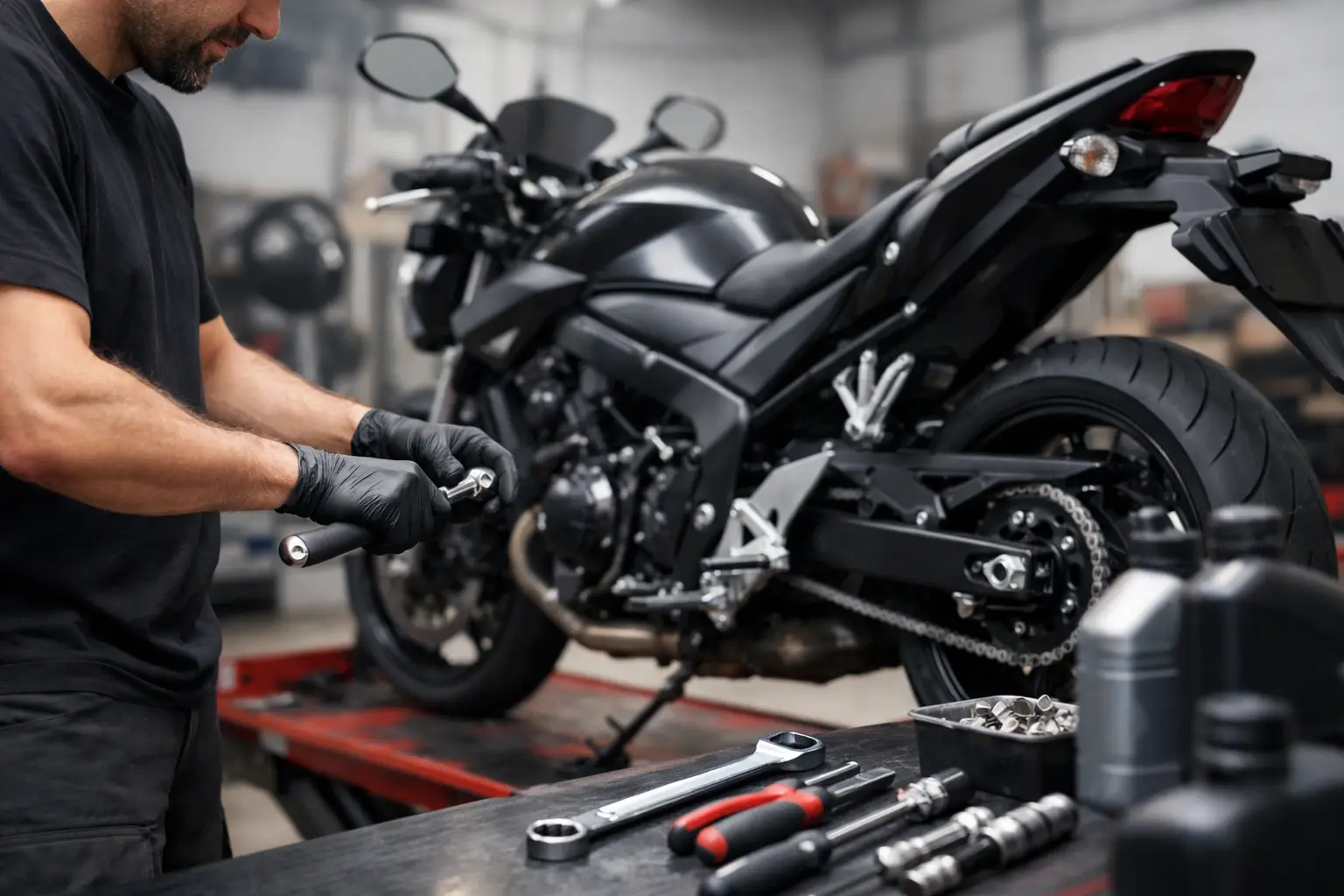
Motorcycle Repair and Servicing Basics
A bike that starts late, pulls oddly in traffic, or sounds rough at idle is already telling you something. Motorcycle repair and servicing is not just workshop admin – it is what keeps your ride safe in stop-and-go streets, steady in wet weather, and affordable over time. For riders who depend on their bike for commuting, shift work, or daily errands, small maintenance issues turn into expensive downtime fast.
In Singapore-style urban riding, wear adds up quickly. Heat, rain, short trips, heavy traffic, frequent braking, and potholes all put stress on the machine. That matters whether you own your bike, lease one, or ride often enough to know that one breakdown can wipe out your whole day.
Why motorcycle repair and servicing matters more than most riders think
A lot of riders only act when a bike refuses to start or something sounds obviously wrong. The problem is that motorcycles rarely jump from perfect condition to total failure in one step. Most issues build slowly. Brake pads thin out. Chain tension drifts. Tires square off. Engine oil loses effectiveness. A weak battery starts fine until the one morning it does not.
Proper motorcycle repair and servicing helps you catch those issues while they are still cheap and simple. That is the real value. Preventive work usually costs less than emergency work, and it almost always causes less disruption.
There is also the safety side. On a motorcycle, small mechanical problems have bigger consequences than they do in a car. Poor tire condition affects grip immediately. Soft brakes cut your confidence in traffic. A neglected chain can damage sprockets and reduce smooth power delivery. When your bike is your daily transport, reliability is not a luxury – it is the baseline.
What motorcycle repair and servicing usually includes
Not every service visit is the same, and that is where many riders get confused. Some expect every workshop appointment to cover everything. Others assume an oil change is enough. In reality, it depends on mileage, bike age, riding habits, and whether the bike has been sitting for long periods.
A basic service usually covers engine oil and oil filter changes, fluid checks, chain inspection and adjustment, tire pressure review, brake condition checks, and a quick look at wear items. That keeps the bike running properly, but it may not solve deeper issues.
A more complete motorcycle repair and servicing appointment can include spark plugs, air filter replacement, brake fluid changes, coolant service for liquid-cooled bikes, battery testing, throttle and clutch adjustment, and inspection of bearings, suspension, and electrical components. If something feels off while riding, this is the level where a technician starts tracing the cause instead of only refreshing routine items.
Repairs are different from servicing, even though riders often group them together. Servicing is planned maintenance. Repair work deals with faults, damage, or worn-out parts that need fixing now. If your bike has trouble starting, leaks fluid, vibrates unusually, or struggles to hold idle, you are likely past simple maintenance and into diagnosis.
Signs your bike needs attention now
Some symptoms are easy to ignore because the bike still moves. That is usually when repair bills start growing.
If your brakes feel spongy, your stopping distance changes, or you hear grinding, do not wait. If the engine runs hotter than usual, stalls unexpectedly, or loses power under throttle, get it checked. If the bike starts needing repeated jump-starts, the battery or charging system may be failing. If the steering feels unstable or the tires wear unevenly, there may be alignment, pressure, or suspension issues involved.
Noise matters too. A rattling chain, squealing brakes, knocking from the engine area, or a new metallic sound under acceleration is not normal bike character. Riders get used to the personality of their machine, so when it changes, pay attention.
Leaks are another hard stop. Oil, coolant, or fuel leaks should never be treated as something to monitor casually for a few weeks. On a motorcycle, fluids affect not just engine health but rider safety.
What you can check yourself before booking a workshop
You do not need to be a mechanic to catch obvious problems early. A quick weekly check saves time and can prevent roadside trouble.
Start with tires. Look at pressure, tread condition, and any cuts or embedded debris. Then check the chain for slack, dryness, or visible rust. Test your brakes for feel and responsiveness. Confirm that lights, brake lights, and turn signals work. Look under the bike for fresh drips. If your bike has a sight glass, inspect oil level on level ground.
This kind of routine check does not replace professional motorcycle repair and servicing, but it helps you notice issues before they become urgent. It also makes workshop conversations easier because you can describe what changed and when.
When cheaper service ends up costing more
Every rider likes a fair price. That makes sense. But there is a difference between affordable service and corner-cutting.
The cheapest option is not always the most cost-effective one if basic checks are skipped, low-quality parts are used, or problems are patched instead of fixed properly. A bargain brake job that creates uneven wear or poor feel is not a bargain. The same goes for low-grade tires, poor chain installation, or electrical repairs that solve a symptom for a week.
Good service should be clear, practical, and honest. You want to know what needs immediate attention, what can wait, and what the expected cost looks like before the work begins. For working riders and budget-conscious commuters, that kind of transparency matters as much as the repair itself.
How riding habits affect your service needs
Two bikes of the same model can need very different maintenance schedules. It depends on how they are used.
If you ride daily in heavy traffic, your brakes and clutch may wear faster than someone doing occasional weekend runs. Short trips can be harder on batteries because the bike may not run long enough to recharge fully. Riding in frequent rain means more attention to chain care, tires, and brakes. If the bike sits unused for long stretches, battery health, tire condition, and fuel quality can become bigger concerns than mileage alone.
That is why fixed service intervals only tell part of the story. Mileage matters, but usage patterns matter too. A practical workshop will ask how you ride, not just how far.
Choosing the right workshop for motorcycle repair and servicing
The best workshop is not always the flashiest one. It is the one that communicates clearly, diagnoses accurately, and respects your time.
Look for a team that explains the issue in plain language and gives you realistic options. Some repairs cannot wait. Others can be planned for the next service cycle. A dependable service provider will tell you the difference instead of pushing every item as urgent.
Fast response matters as well, especially if your bike is your main transport. If you are dealing with a breakdown, towing support and quick assessment make a huge difference. That is one reason riders often prefer service providers that understand both maintenance and real-world roadside urgency. Companies like Vroom Leasing appeal to riders for exactly that reason – practical support, responsive service, and a focus on keeping bikes on the road instead of letting small issues become long disruptions.
The smart way to think about maintenance costs
Most riders do not need to spend more. They need to spend earlier and smarter.
Routine servicing spreads costs out and reduces the chance of one painful repair bill. It also protects parts that are expensive to replace. Fresh fluids, proper chain care, healthy brakes, and timely tire changes are not glamorous, but they prevent the kind of damage that hurts your wallet later.
It also helps to track what was done and when. If you know your last oil change, battery replacement, brake service, and tire install dates, you can plan ahead instead of reacting under pressure. That is especially useful if you ride for work or depend on your bike every day.
A reliable motorcycle is rarely the result of luck. It usually comes from simple habits, honest servicing, and quick action when something feels wrong. If your bike has been sounding different, riding rough, or overdue for attention, handle it now while the fix is still straightforward. Your future self will appreciate the saved time, lower cost, and one less breakdown at the worst possible moment.